Last days in New Zealand

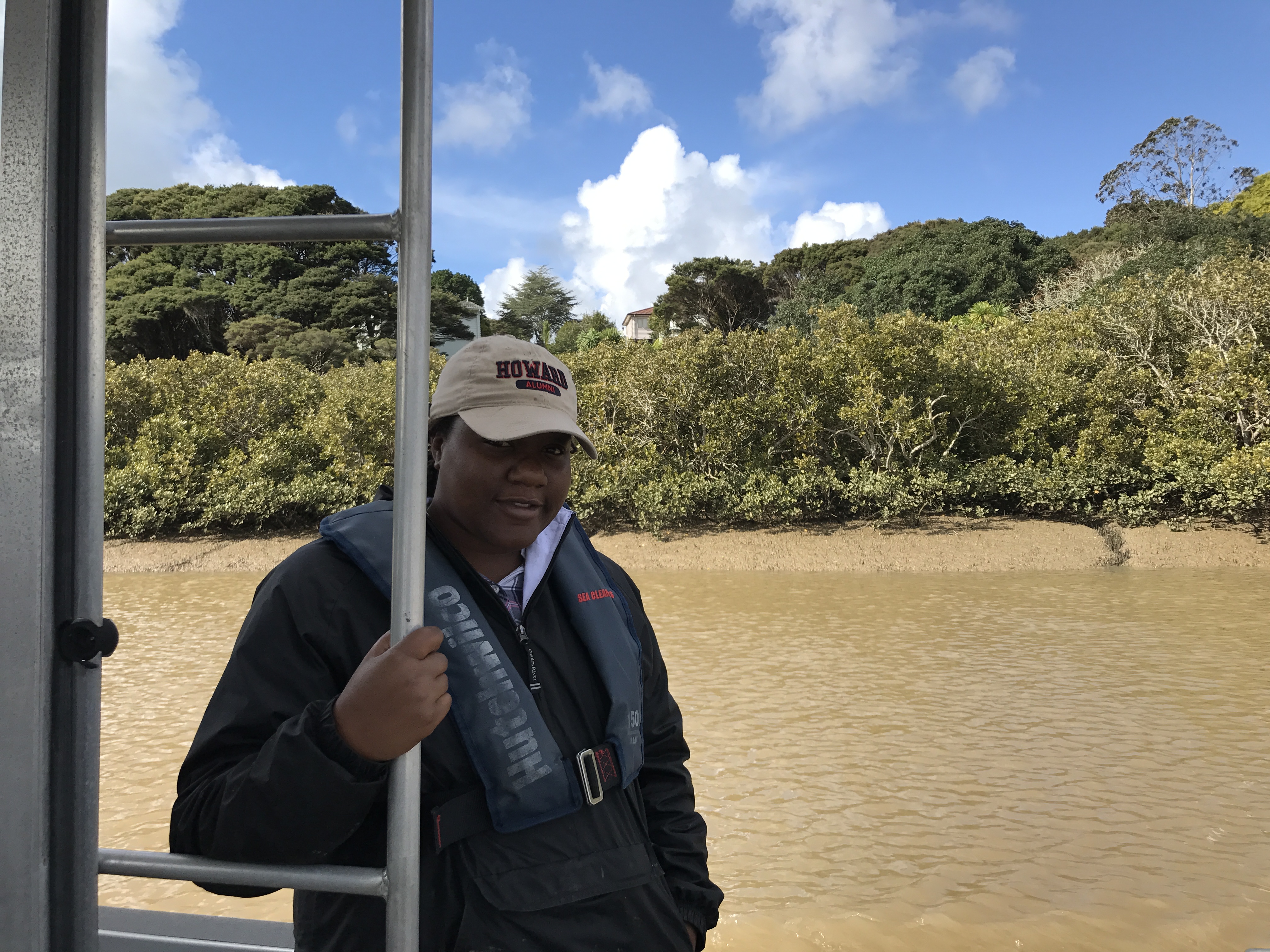
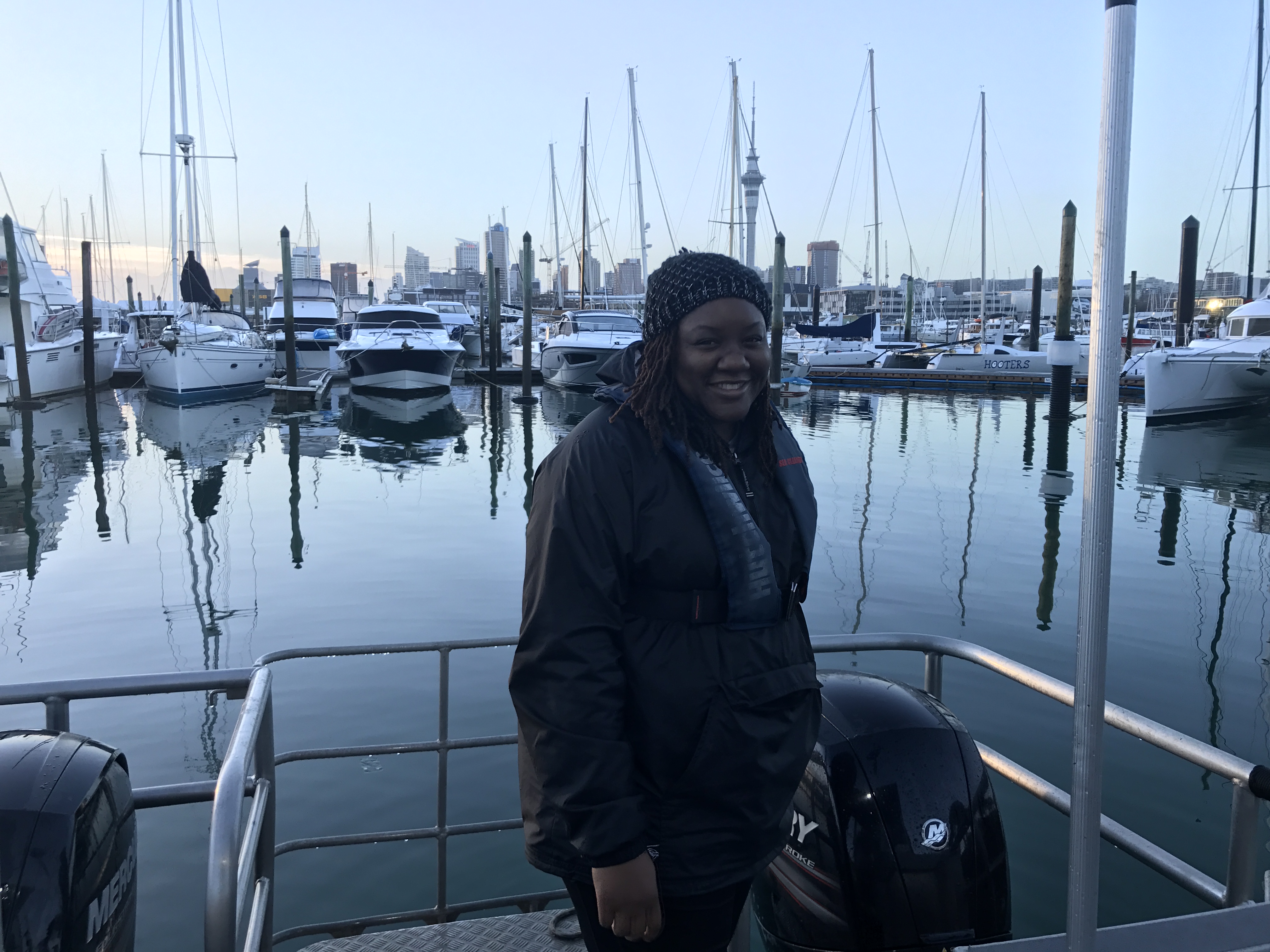
This week in Auckland I participated in more harbor cleanup, with a company by the name of Sea Cleaners.
Beautiful rainbow from the boat.
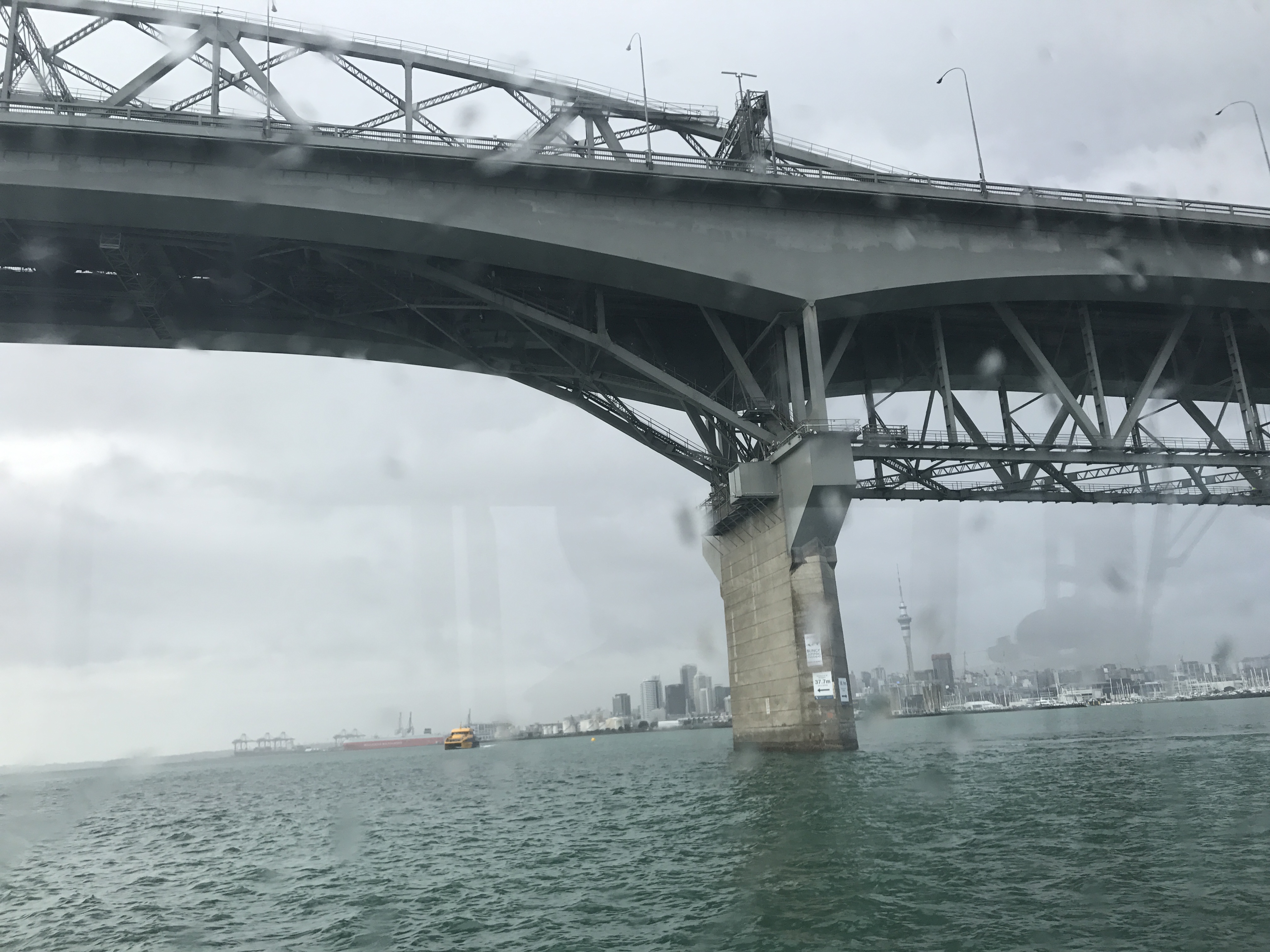
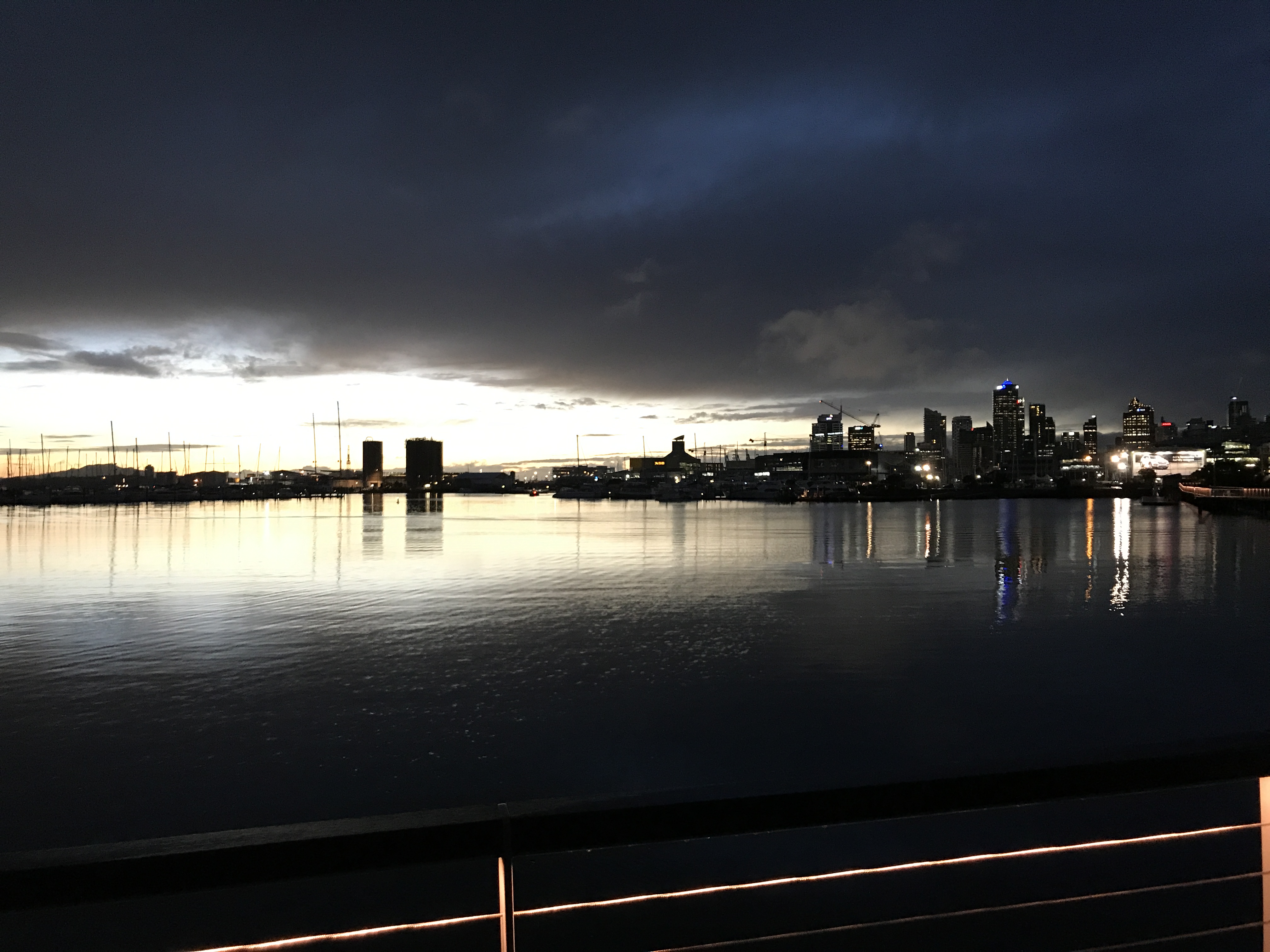
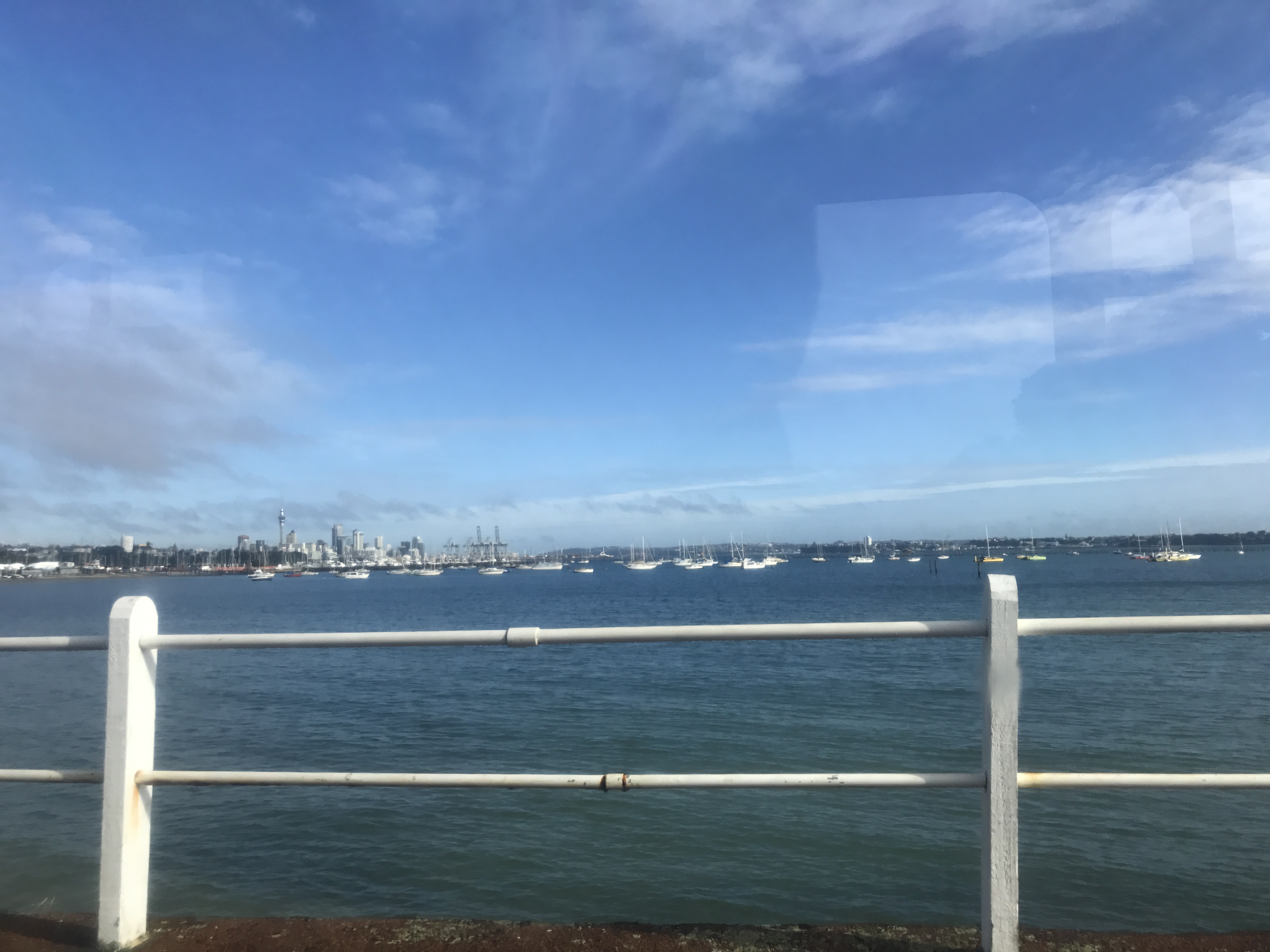
Auckland bridge.
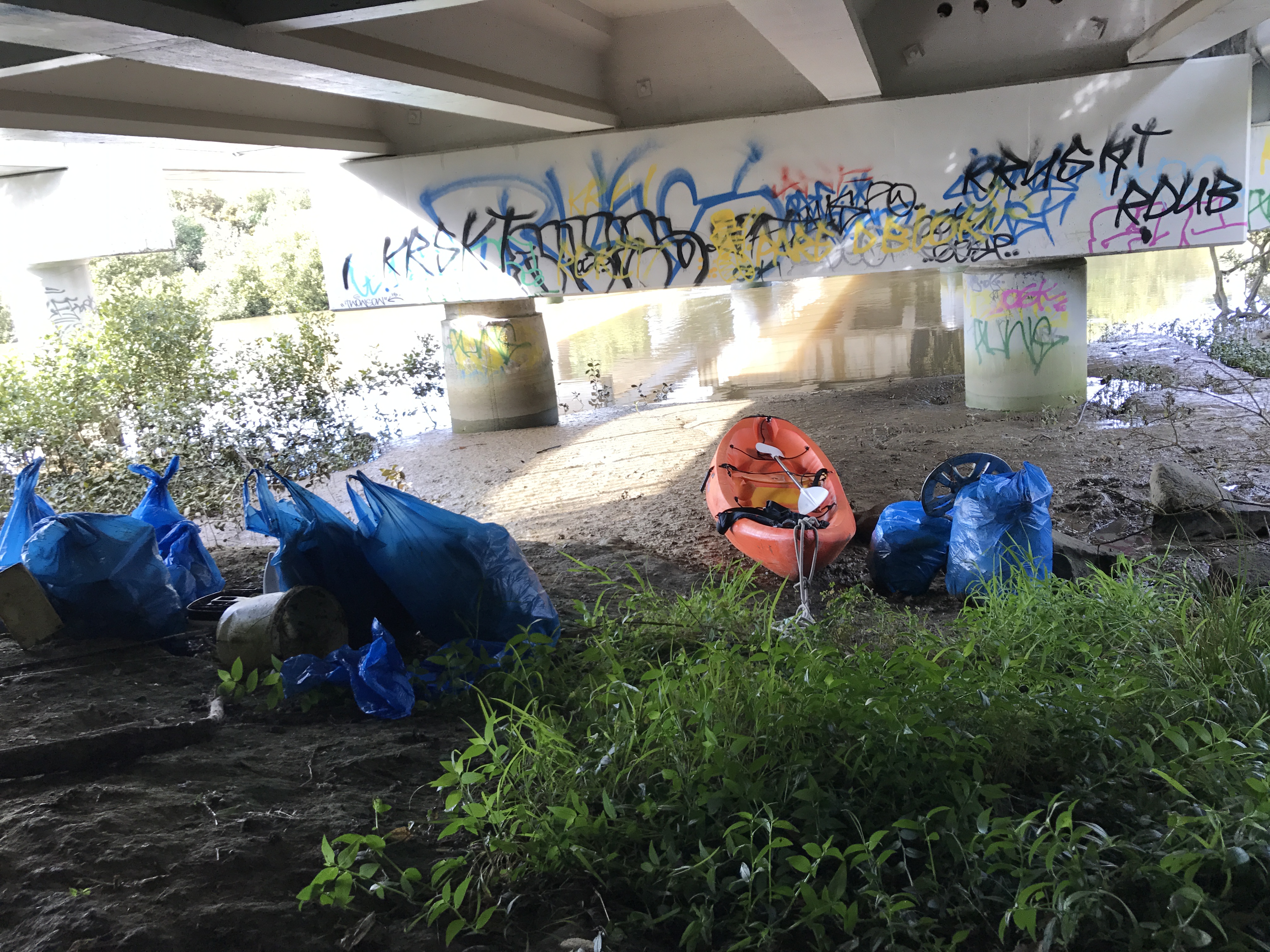
Cleaning the harbor.


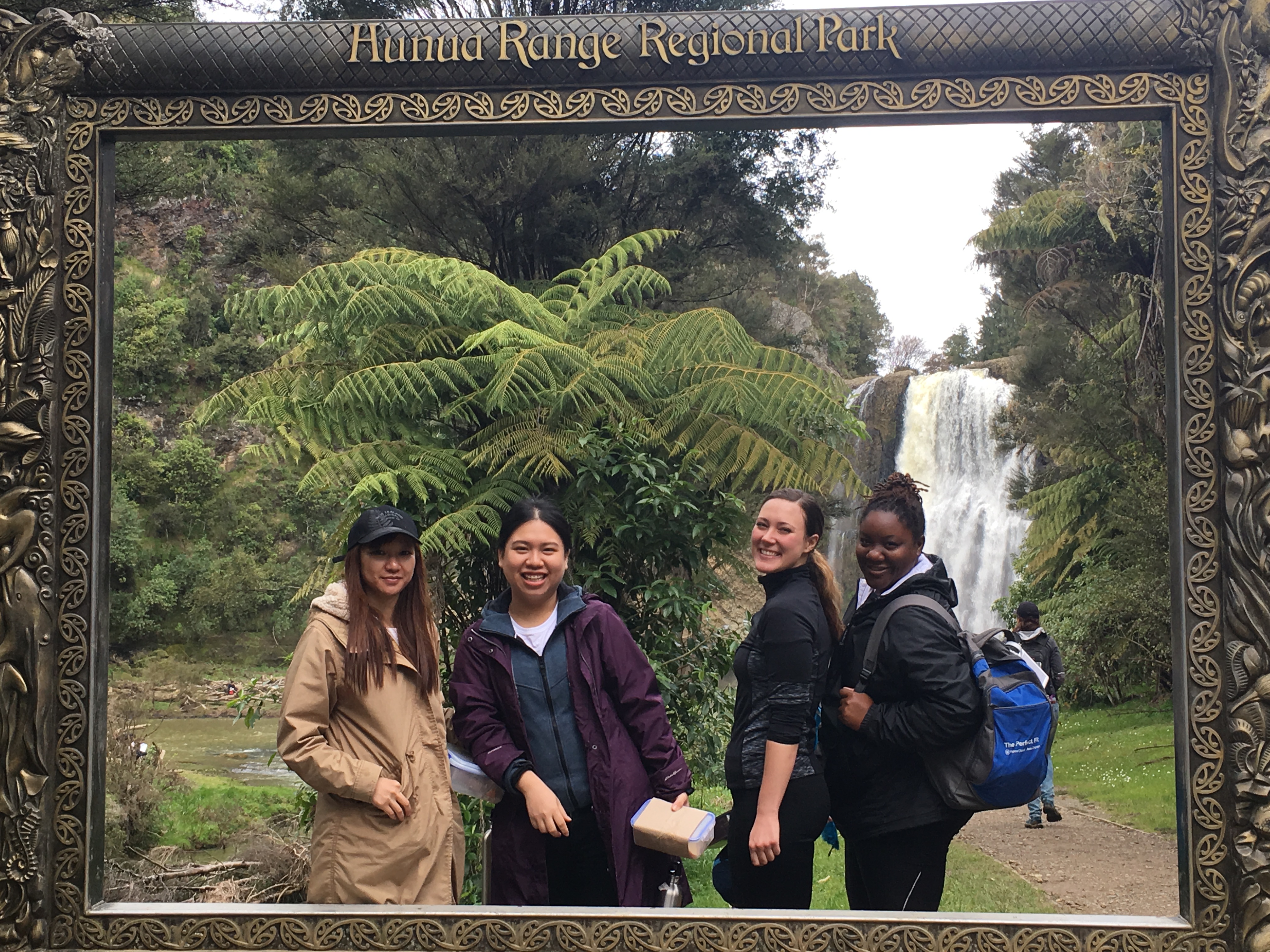
Decided to have lunch near a waterfall.
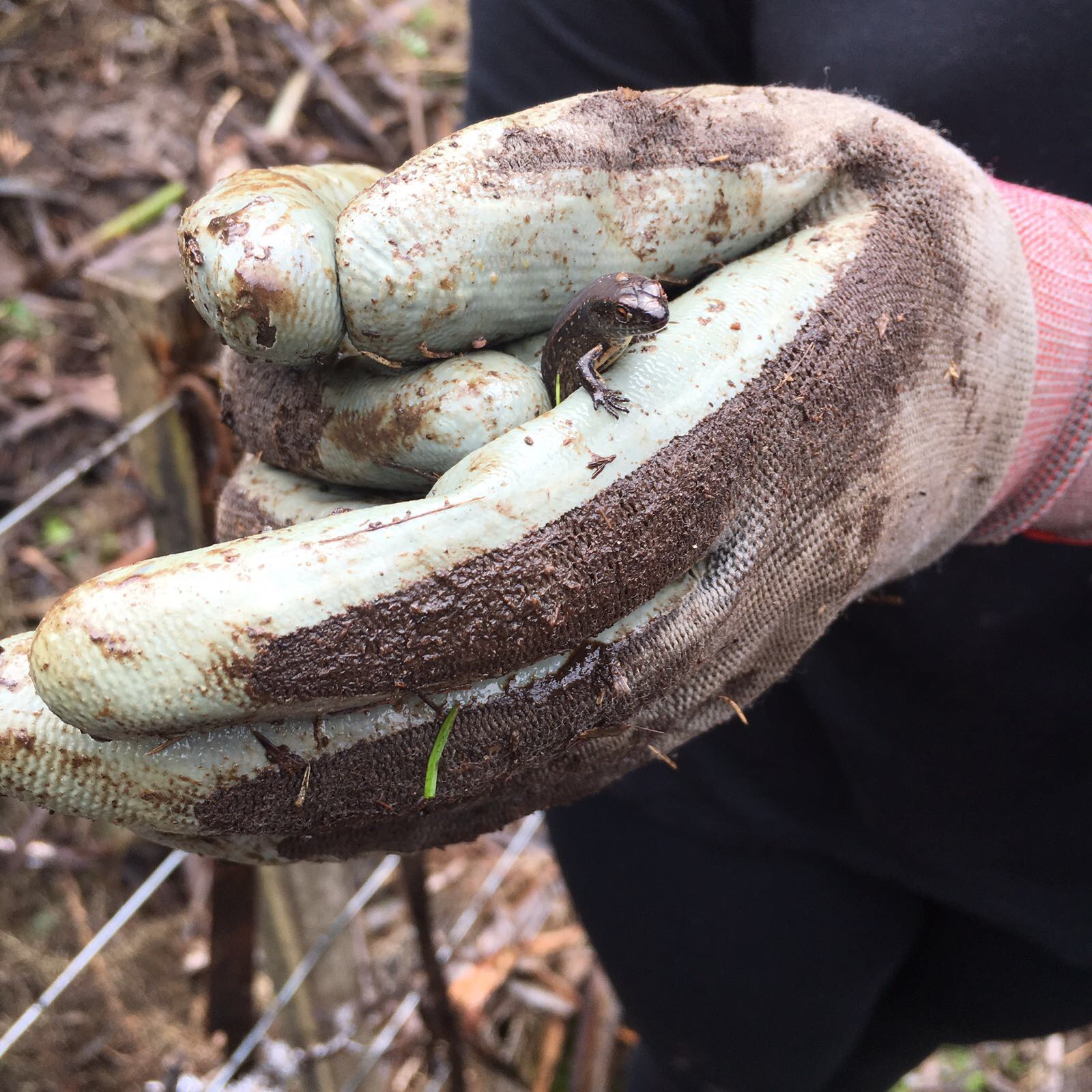
I went to Hunua Park where I assisted in moving trees that are not original to New Zealand so they can reforest the area with native trees. I trekked along a nice path and ate lunch by an awesome waterfall. We found this little guy after moving a few trees.
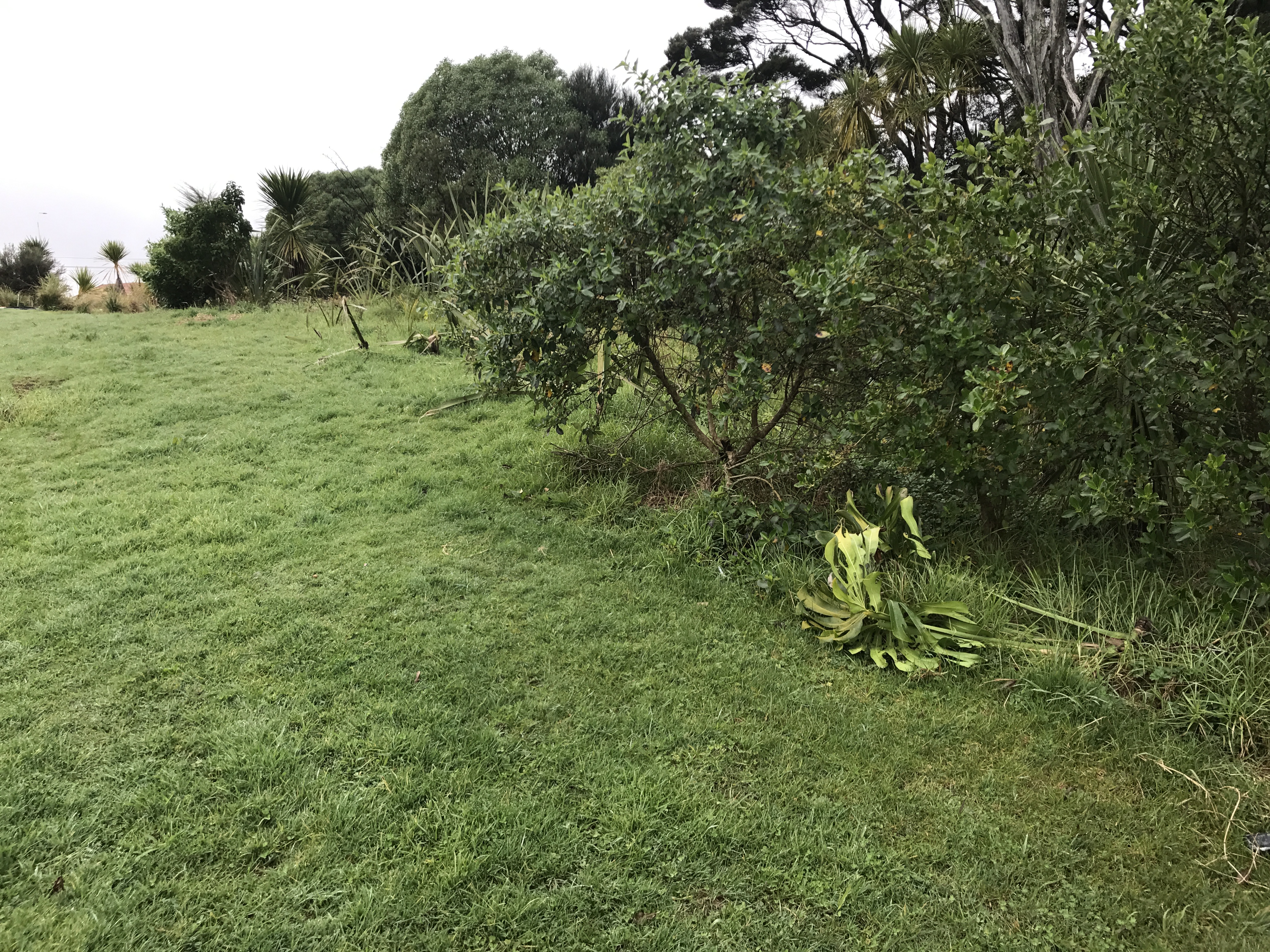
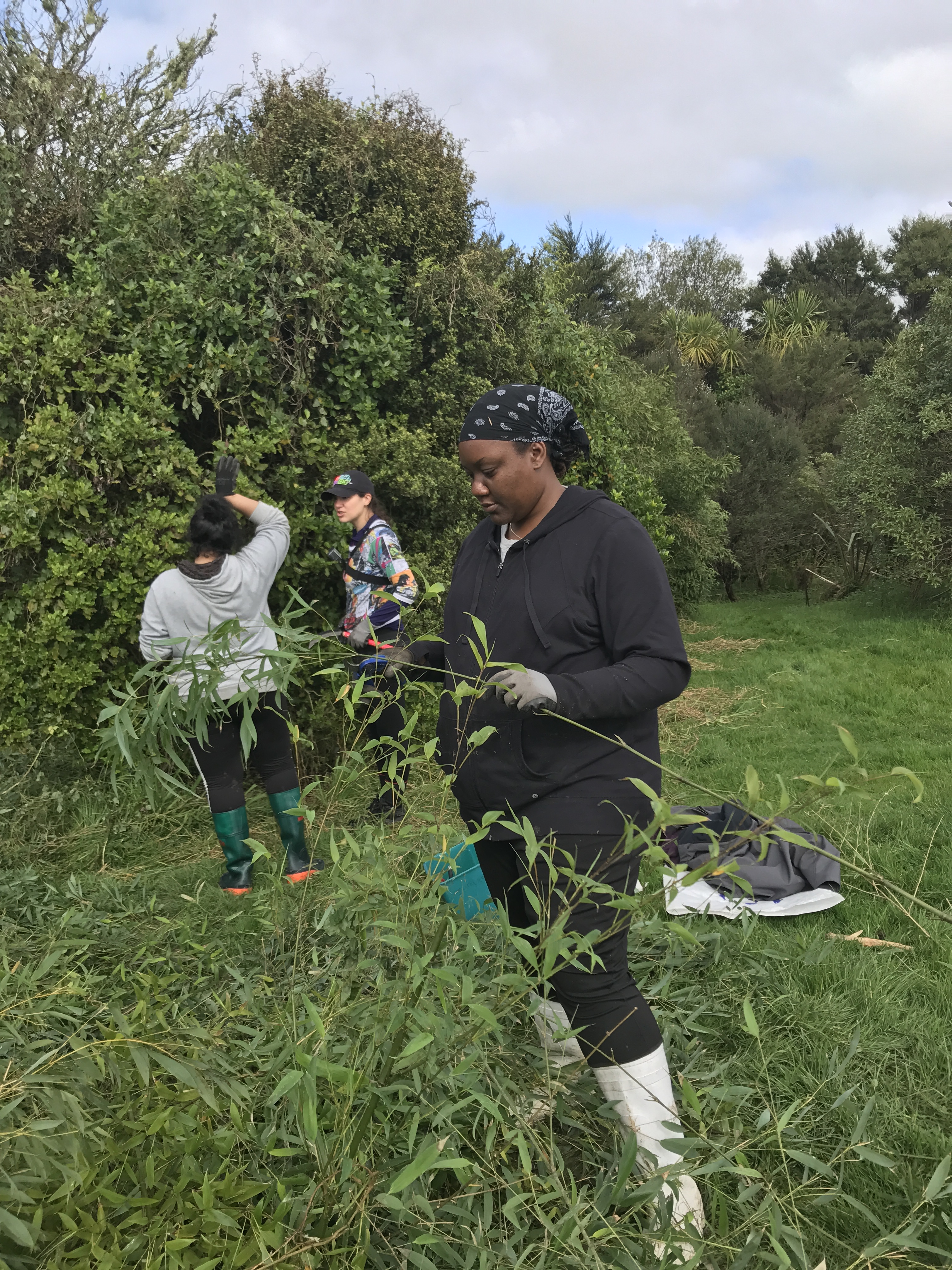
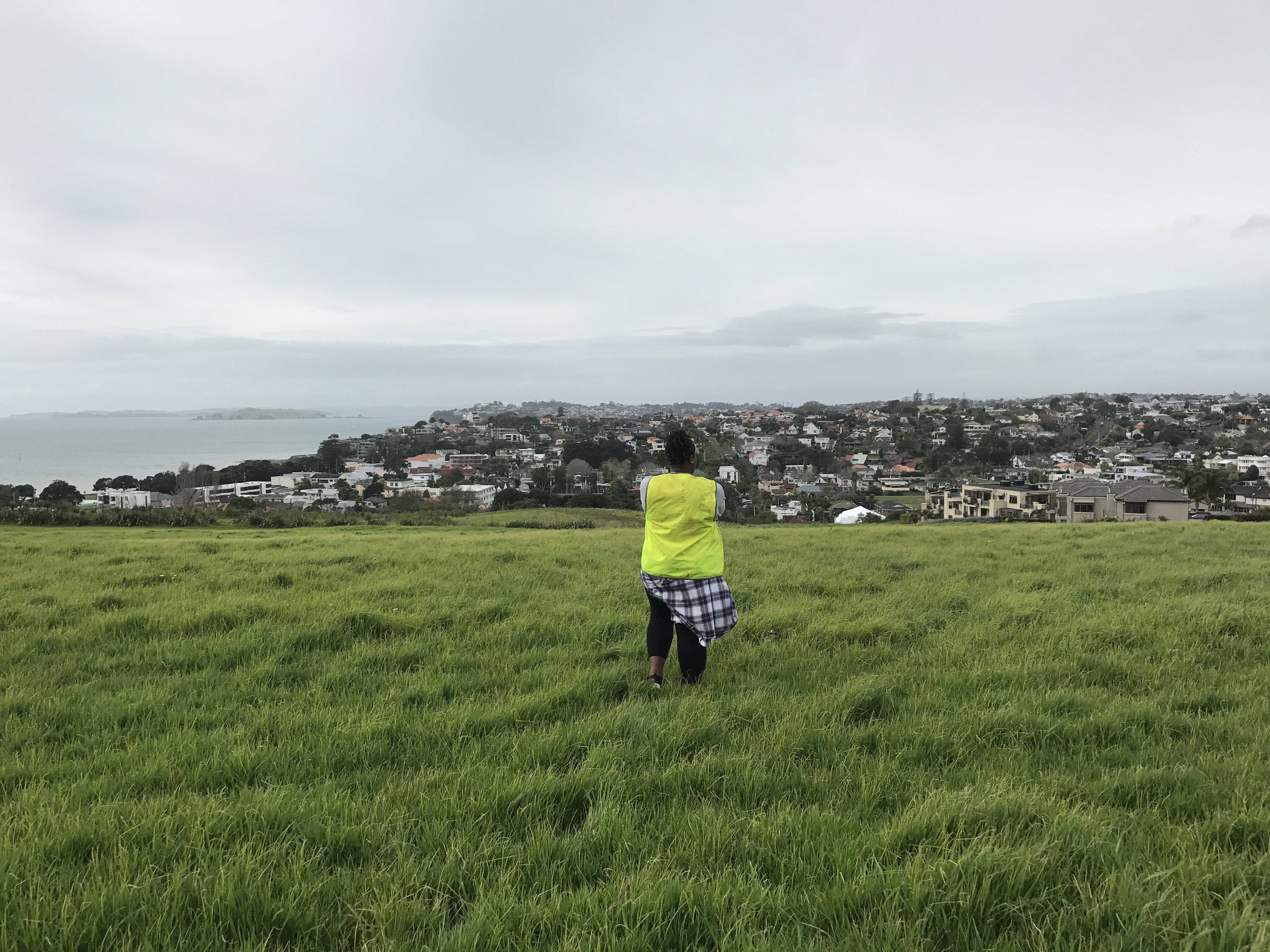
Worked with Kaipatiki Project cutting down bamboo at Eskdale Park to help stabilize recently planted grass, plants, and trees.
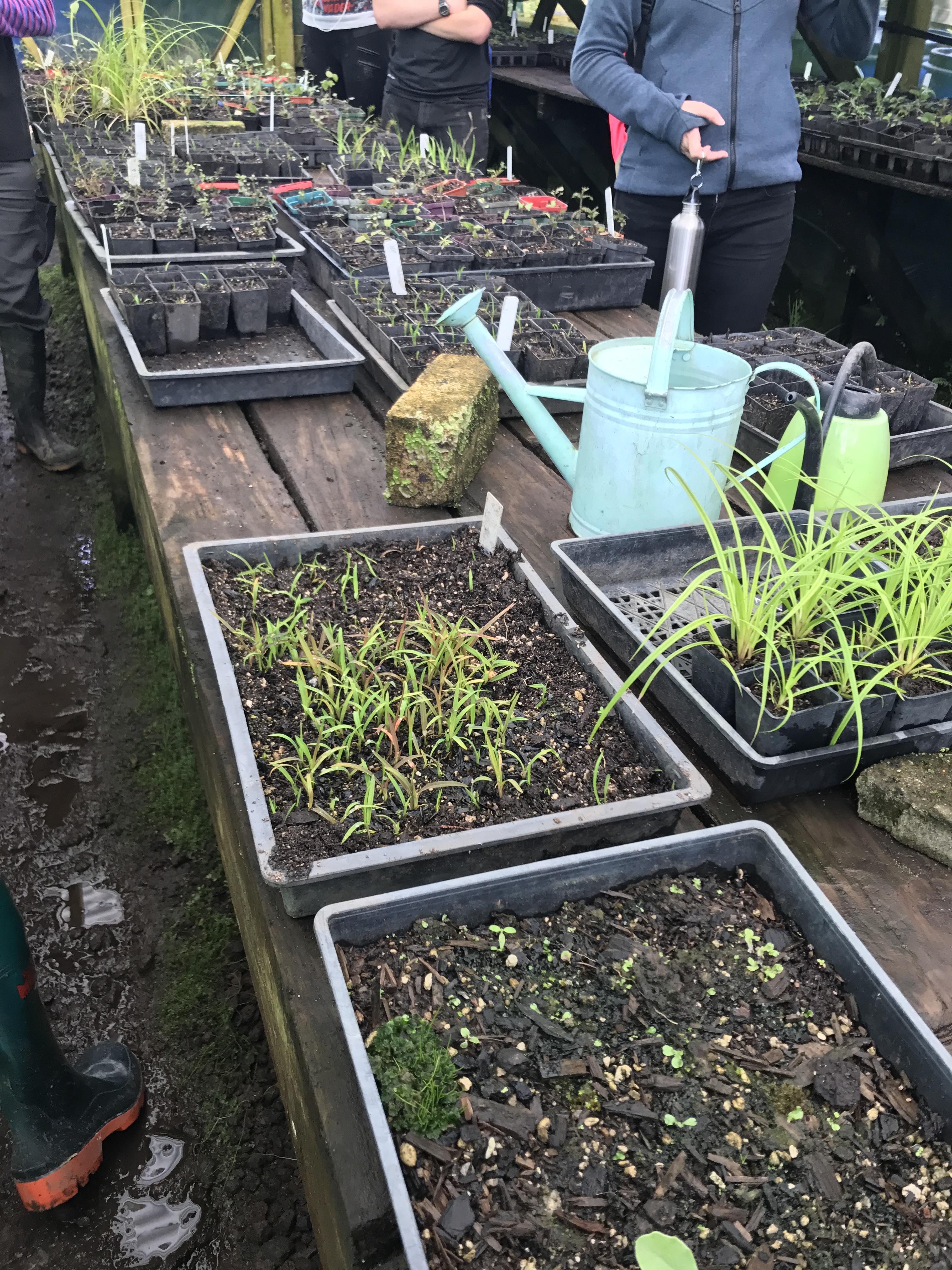
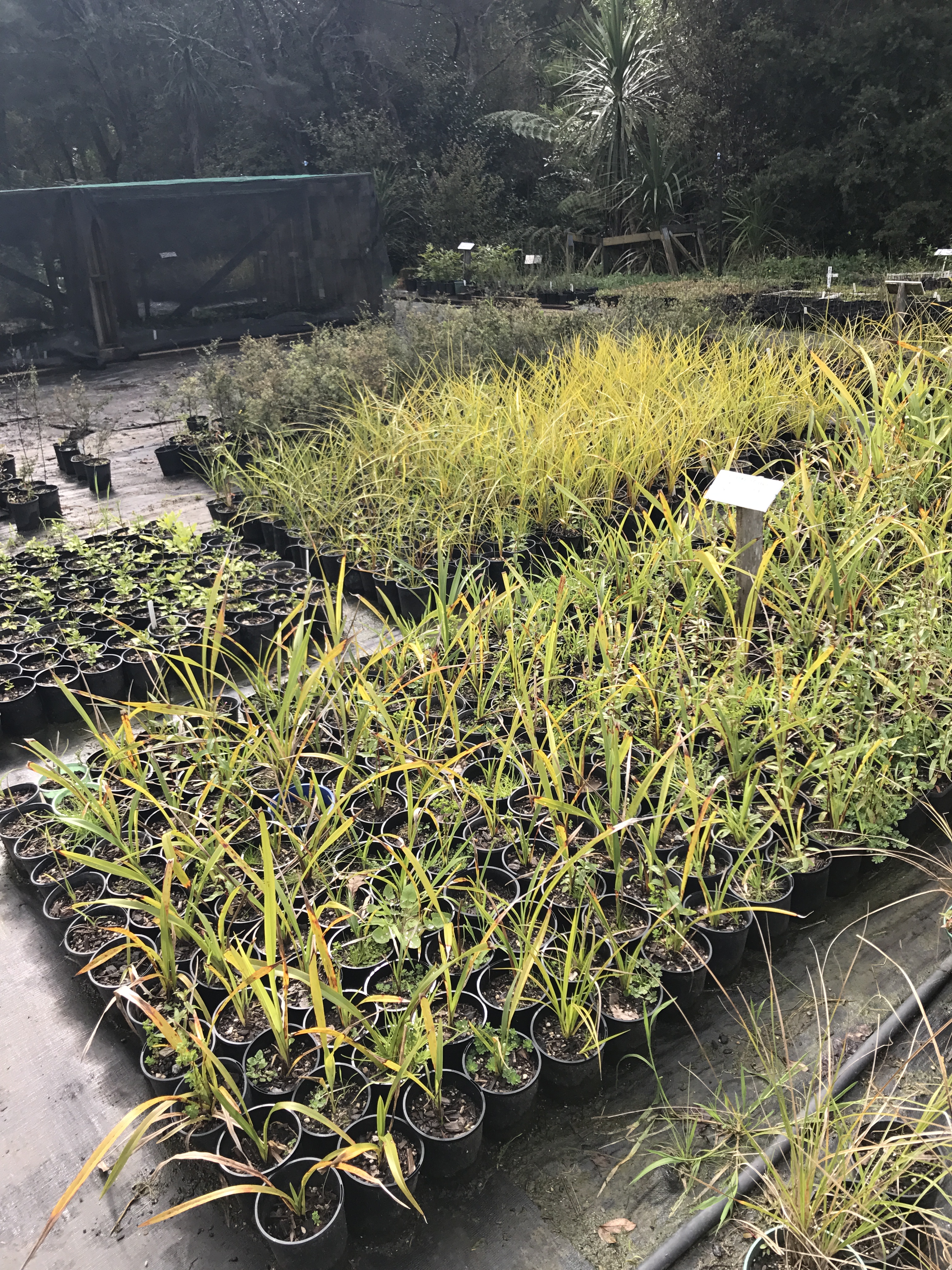
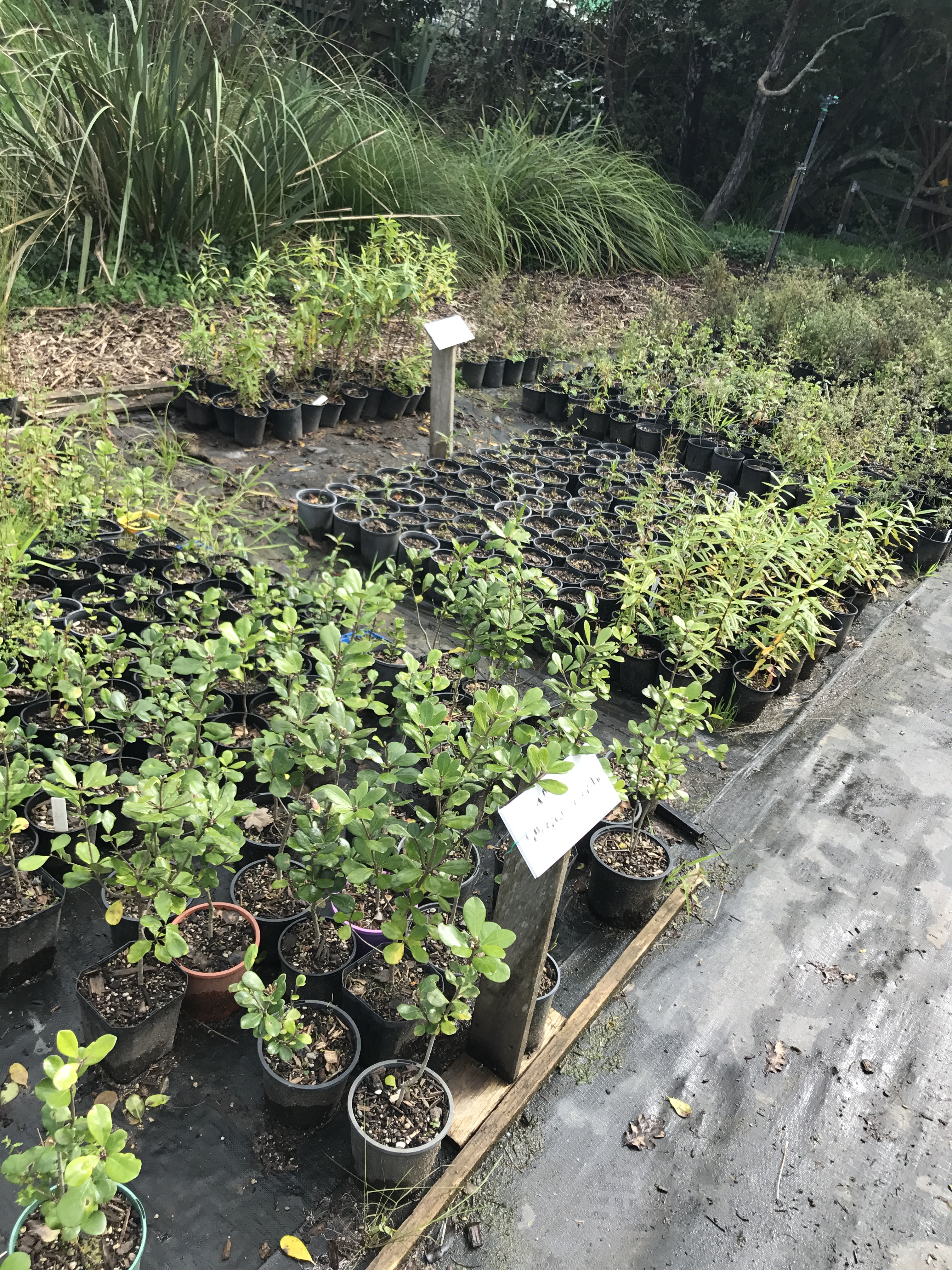
These are pictures from the Kaipatiki Garden.

This trip has been an amazing experience. I have really been taken out of my comfort zone and pushed to new heights. I cannot wait to share all the Maori language I’ve learned, culture, and sustainable techniques.


My New Zealand takeaways…

There are so many alternatives to single use plastic that are out there – we just have to make those changes. They can be expensive initially but they are better for the environment in the long term. For example:

•Personal Bamboo utensils and straws

•Mason jars for various storage use of food and can be washed and reused

•Reusable bags

•Stop littering – pick up trash around you, a lot of our trash end up in bodies of water, which kills various marine life

•Refuse use of plastic, be prepared have your own bags

•Bring your own containers for food, reduce the use of plastic/foam plates

And all cultures should be appreciated no matter the differences. There is beauty in all things.

I am grateful for all the great people I met on this trip, for they will always be apart of my New Zealand memories.
“I learned that courage was not the absence of fear, but the triumph over it. The brave man is not he who does not feel afraid, but he who conquers that fear.”

-Nelson Mandela

My trip to Rotorua, Taupo, and Waitomo

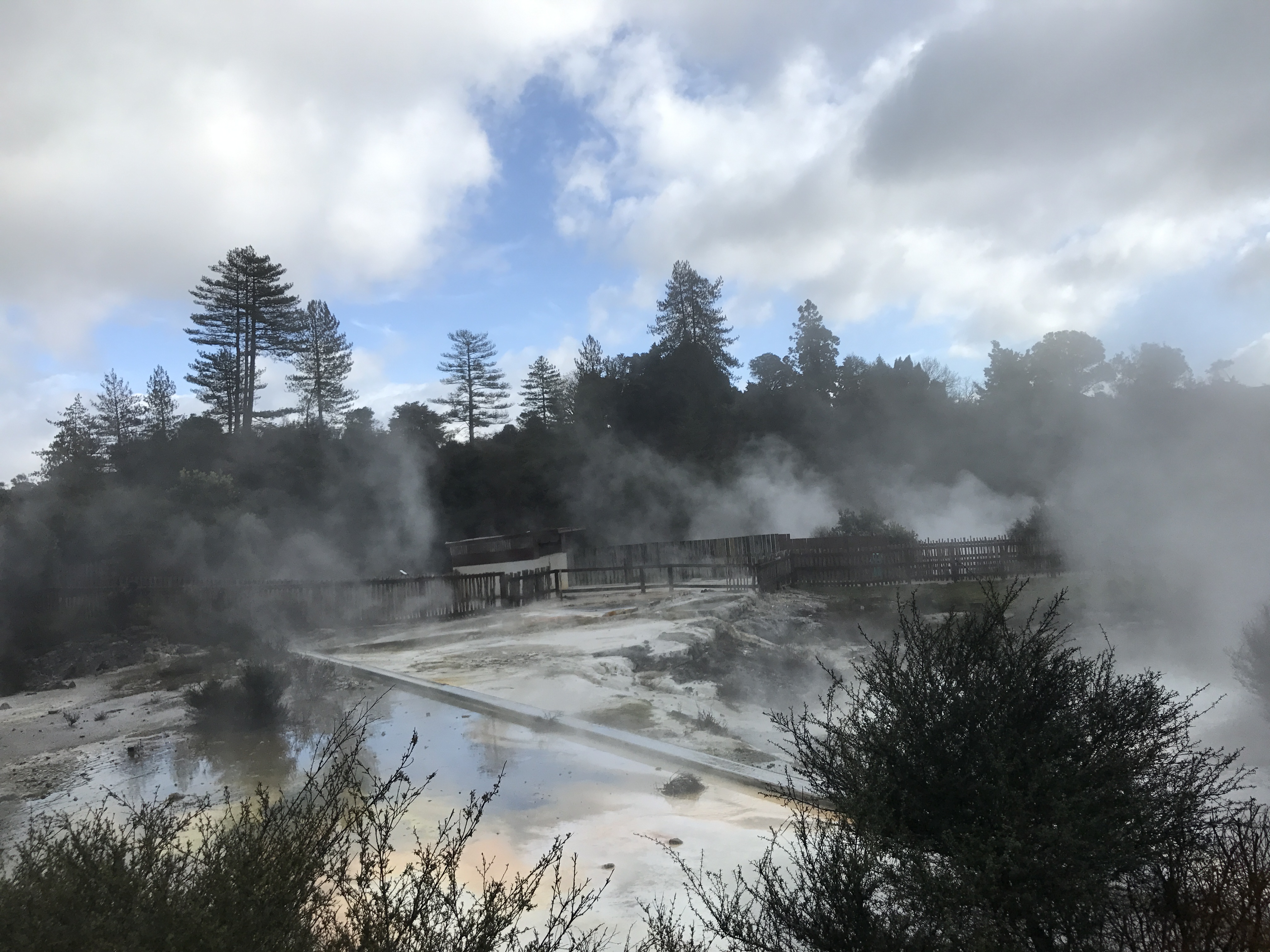
Where should I start. So I took a 4 hour bus ride to view the volcanic landscapes of Rotorua. The pictures don’t capture the beauty, nor the smell(I won’t dwell on that part).


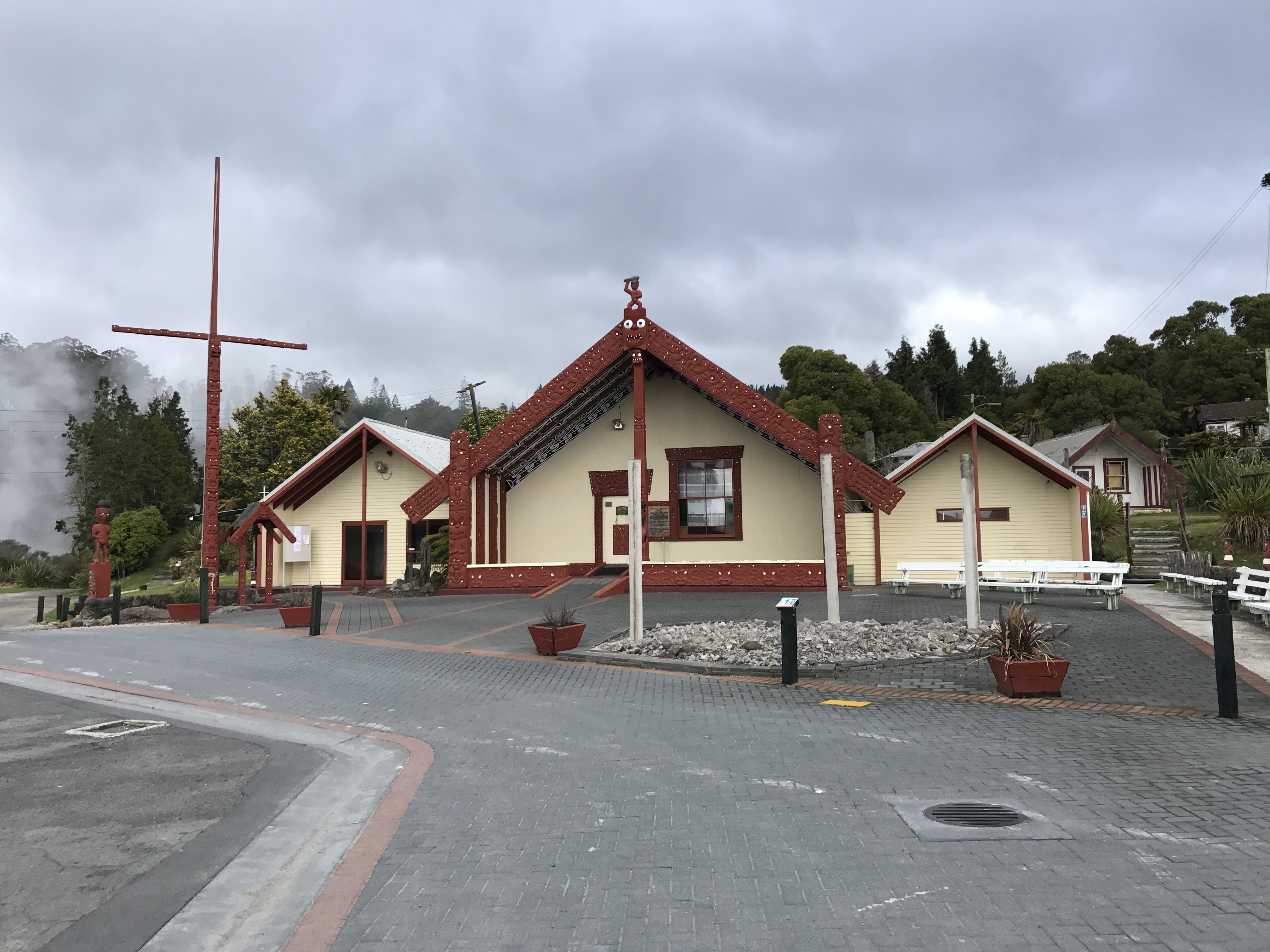
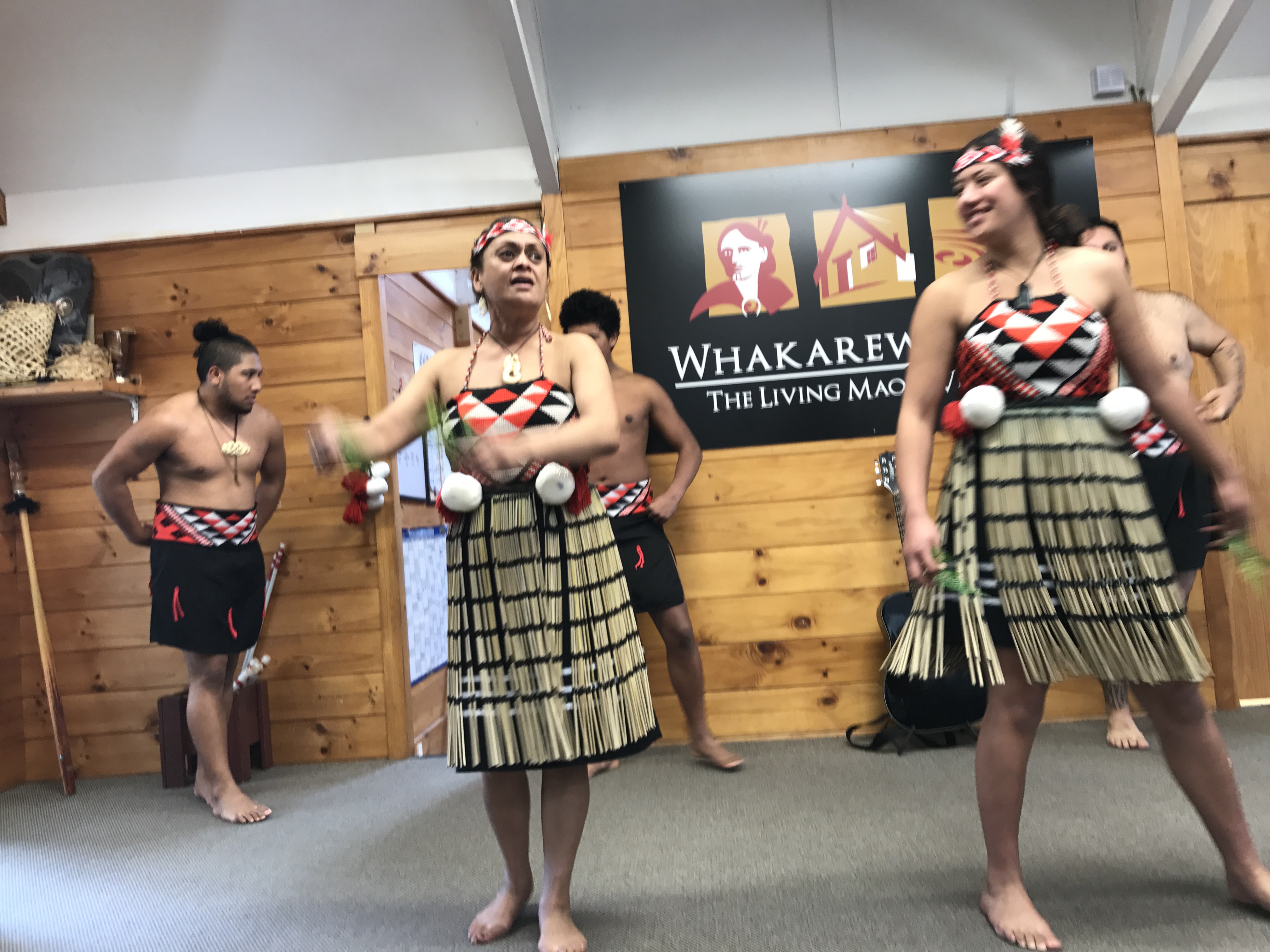
Wai-O-Tapu Thermal Wonderland is nestled within a small community of its own and hosts tons of tourists throughout the year. Steam is constantly coming from the ground as it is a natural hot spring and was formed through volcanic activity many years ago. The Maori tribe that inhabit that area give you an awesome show of their cultural dances, love stories, and typical Maori food.

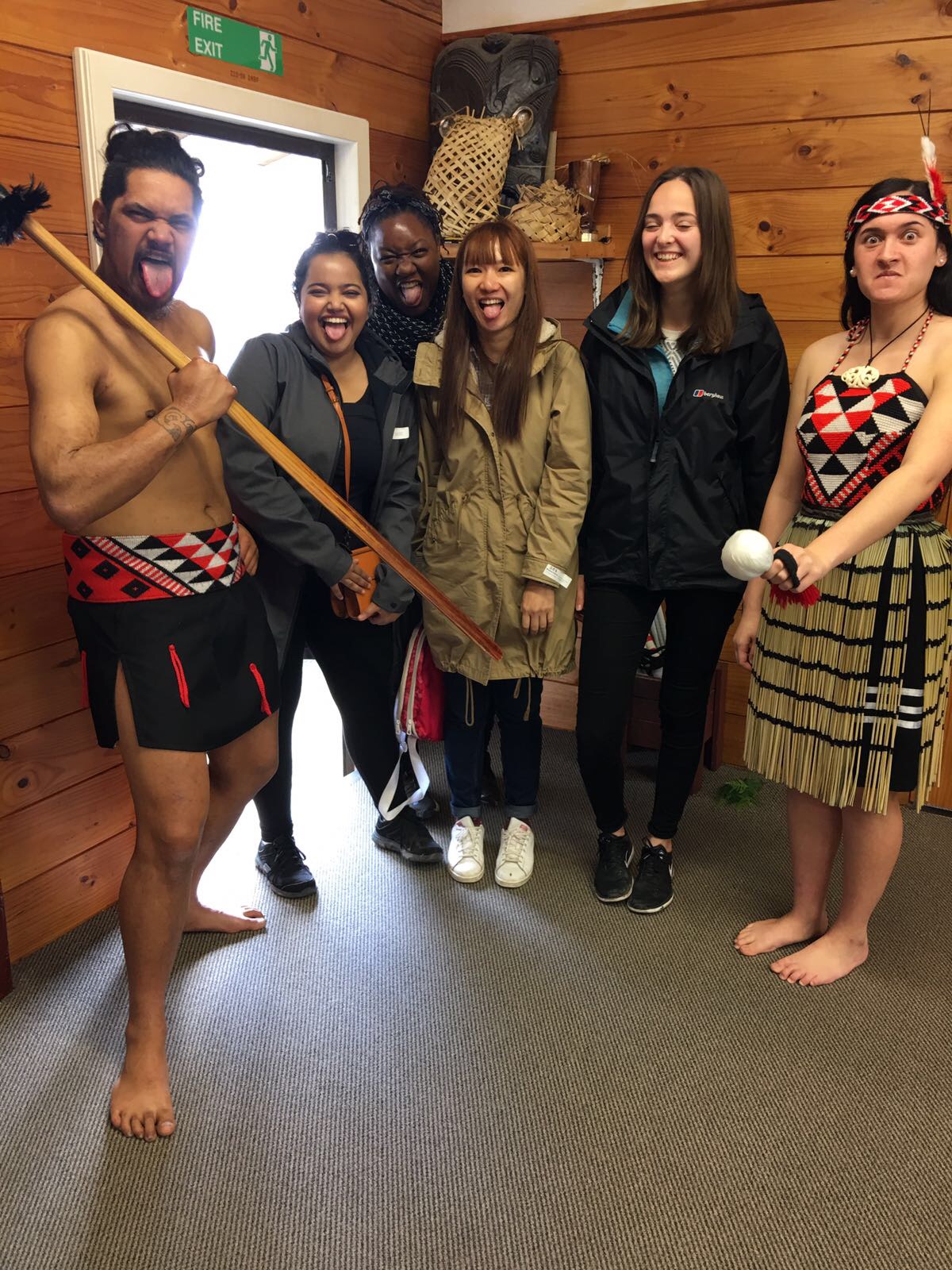
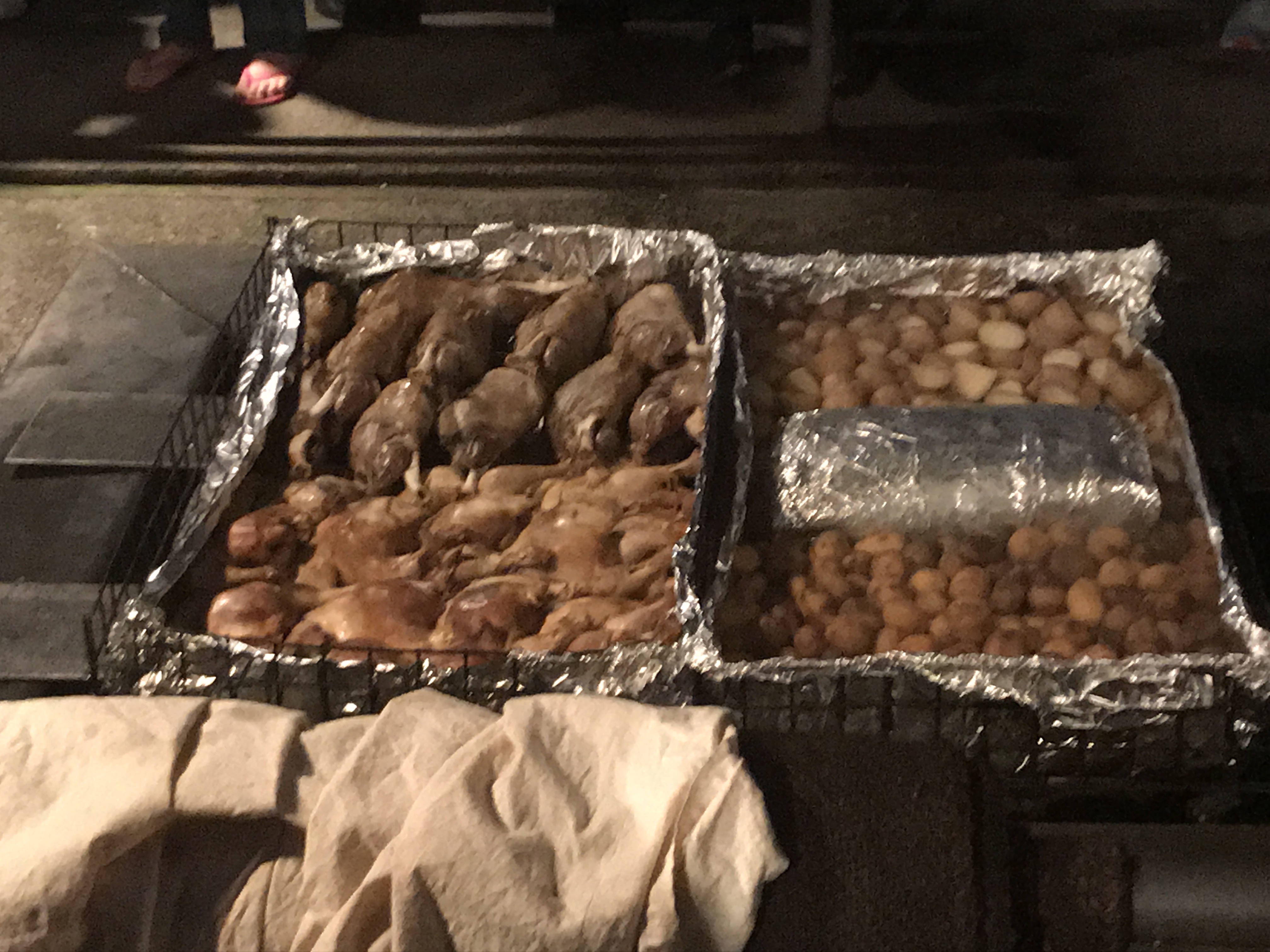
Tamaki Maori Village Concert and Hangi was also delightful as we were greeted by a chief who acknowledged all that visited. I saw the war tools they once used and learned more about the culture of the people there. I will not forget the feast I embarked on. Similar to their history of roasting their food underground but more modern with chicken, lamb, potato, and other grub.


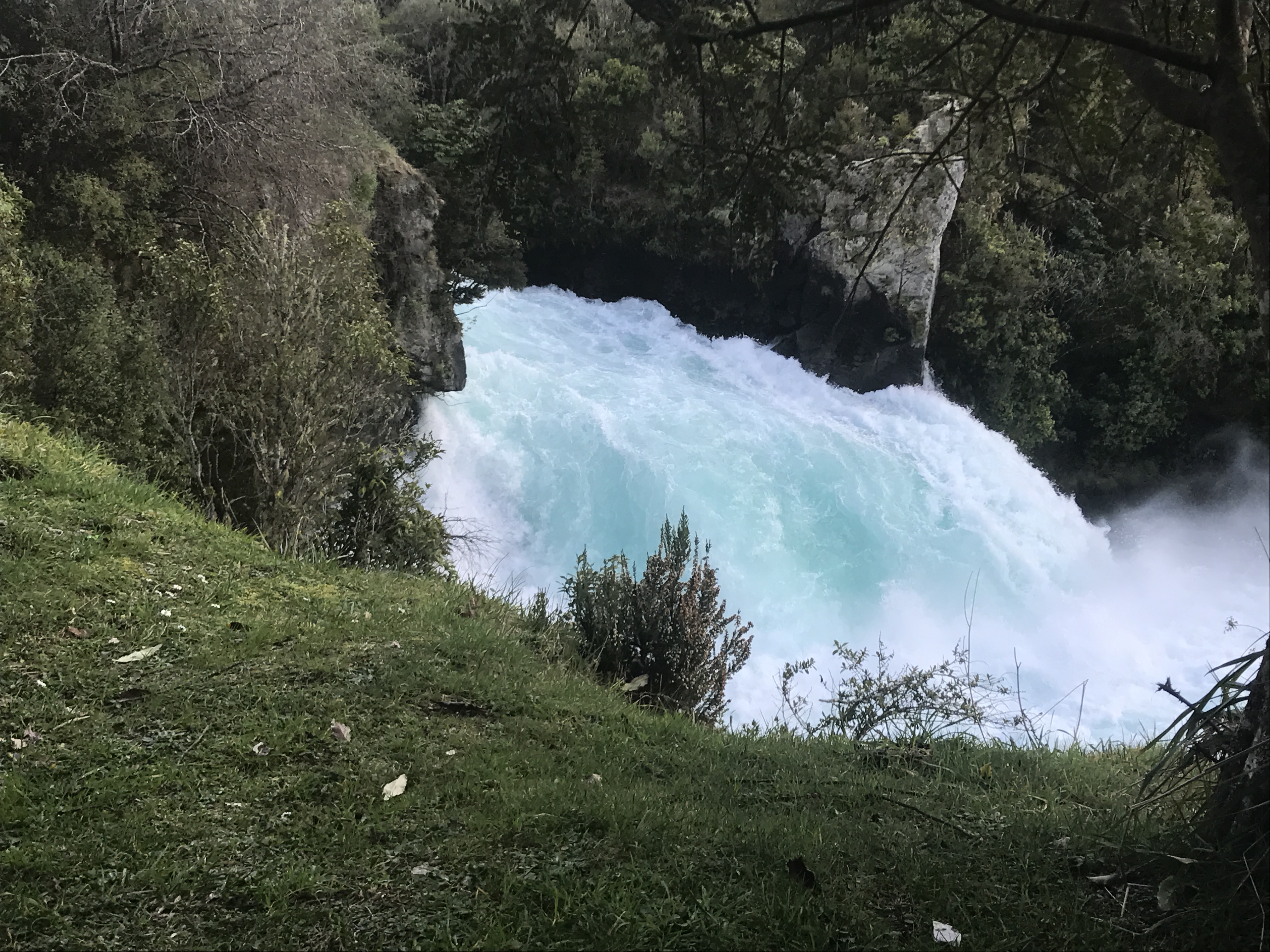
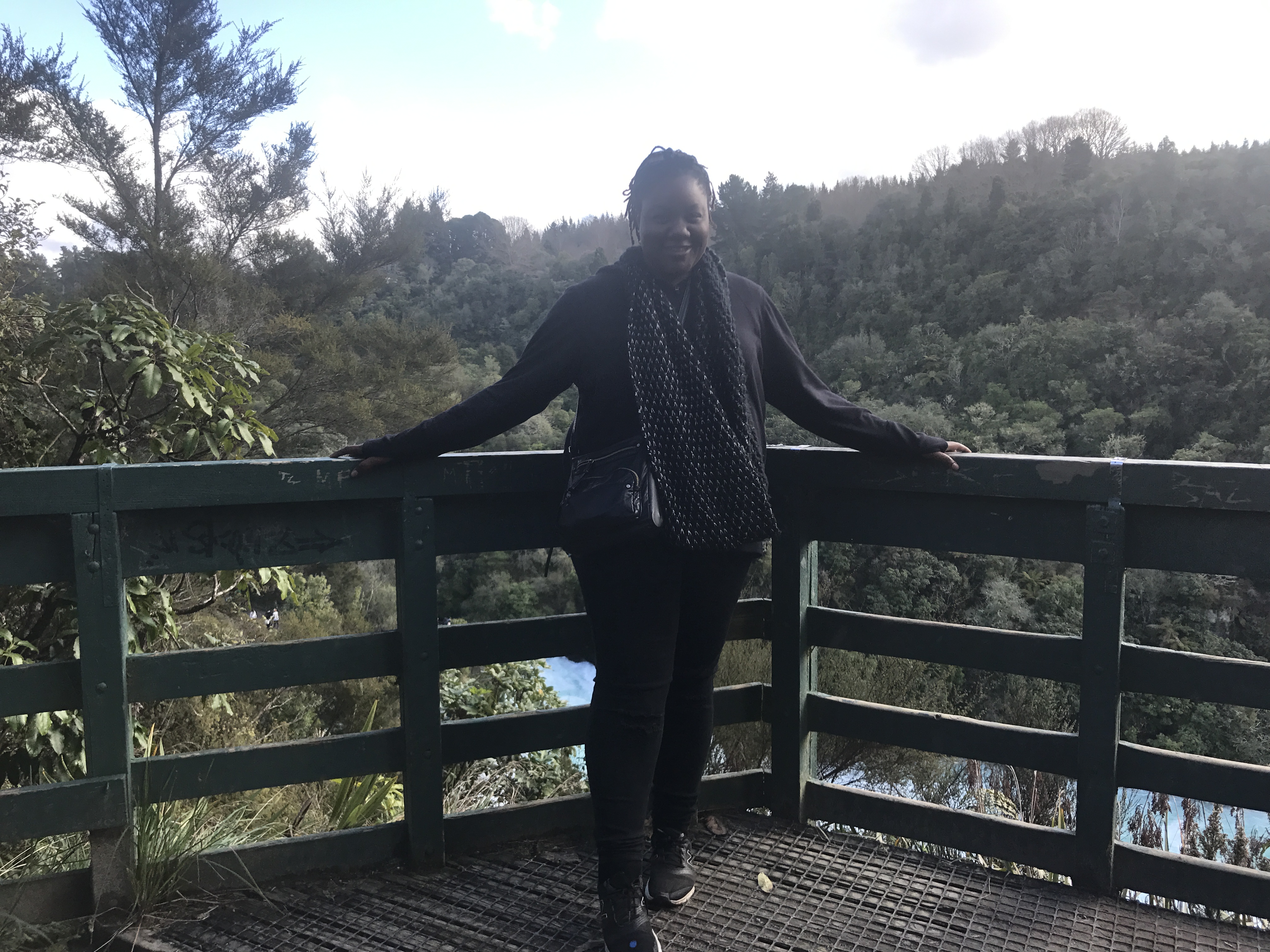
Huka Falls was another treat. I captured pictures of the waterfall.


Hangi- food in Maori

Gondola and Luge ride – talk about adrenaline rush speeding down the hills was pretty awesome.


For sake of reporting I visited the Polynesian Spa that is warmed geo-thermally. If I could live there I would, it was so relaxing and beautiful.

I could not take pictures inside Waitomo Glowworm Caves, but believe me this was a site to see. The worms emits a light to get its food and can only be seen in pitch black darkness. My lively tour guide made this mostly silent tour worthwhile, with lots of jokes and energy.


Till next time with more New Zealand adventures!

Johnnisha


Auckland school and boat ride

Today was such a rainy day. I was able to go to a school on the countryside and talk to grade 5 students about sustainability. How they can refuse to use plastic and encourage their parents to use alternatives to wrap and pack their lunches. We talked about single use plastic and the danger it presents to sea creatures and environmental dangers. It was beautiful to see how much students knew about how they could make a difference in alternative plastic use. They are often studying about marine life and the many harbors and beaches of New Zealand and it seen in their work along the classroom walls. We were suppose to take the students to the beach for a beach cleanup, but due to the weather we were not able to. They are currently working on an argumentative writing piece about working to clean and prevent littering and continuing to educate others about what they can do. The class was extremely welcoming and excited to share all they knew about eco-friendly facts. I had the pleasure of enjoyed morning tea with them(Similar to snack time).

On a dark rainy morning I visited St Mary’s bay to board the Watercare boat.
Each day, they supply around 354 million litres of water to Auckland and treat around 392 million litres of wastewater to a high standard. They draw water from 23 sources, treat it and deliver it to homes and businesses via a vast network of pipes. They also collect, treat and dispose of wastewater, including trade waste from industry.

I assisted in a water care clean up. This was no pretty job with water to my calfs I picked up rubbish along the harbor and in the harbor. The final product was very rewarding we picked up about 18 liters of trash. I’m exhausted we found tires, car seats and many single use plastic products.

The Marae: land of the Maori

Today was full of adventure. I took the bus to Mission Bay Beach, where I accompanied a group of volunteers to Orakei Marae. The Marae is the remaining acres of land that the Maori people own and are working to preserve. I prepared for the visit by learning an important song of the Maori people (find me on campus and I’ll share the song with you).

Te Aroha Waiata

Te ahora
Te whakapono
Me Te rangimarie
Tatau Tatau e

(Which translates to:
Love
Faith
And peace
Be amongst us all)

The Marae is very sacred and you must be given a ceremonial blessing to enter certain areas. In addition, to the blessing each person must introduce themselves sharing where their mana comes from. Mana meaning where one gets their power/energy from, usually a specific place. I could not foresee the emotional and spiritual moment that occurred. The ceremony was so touching as we shared pieces of our selves, where we came from, where we get our mana from, and afterwards embraced our host by touching noses and shaking hands. We were embraced by the spirit of the Maori ancestors and representatives of today.

In 1951 the British and Maori signed a treaty that sanctioned the last bit of undeveloped land on the north island of New Zealand to the Maori. Shortly after the signing of the treaty the Maori language was acknowledged as a national second language in New Zealand. The Maori family that lives on this land decided that they want to work to reforest the land. And with help of the government and volunteers from various NGOs they are planting trees, various plants, and keeping the Maori traditions alive.

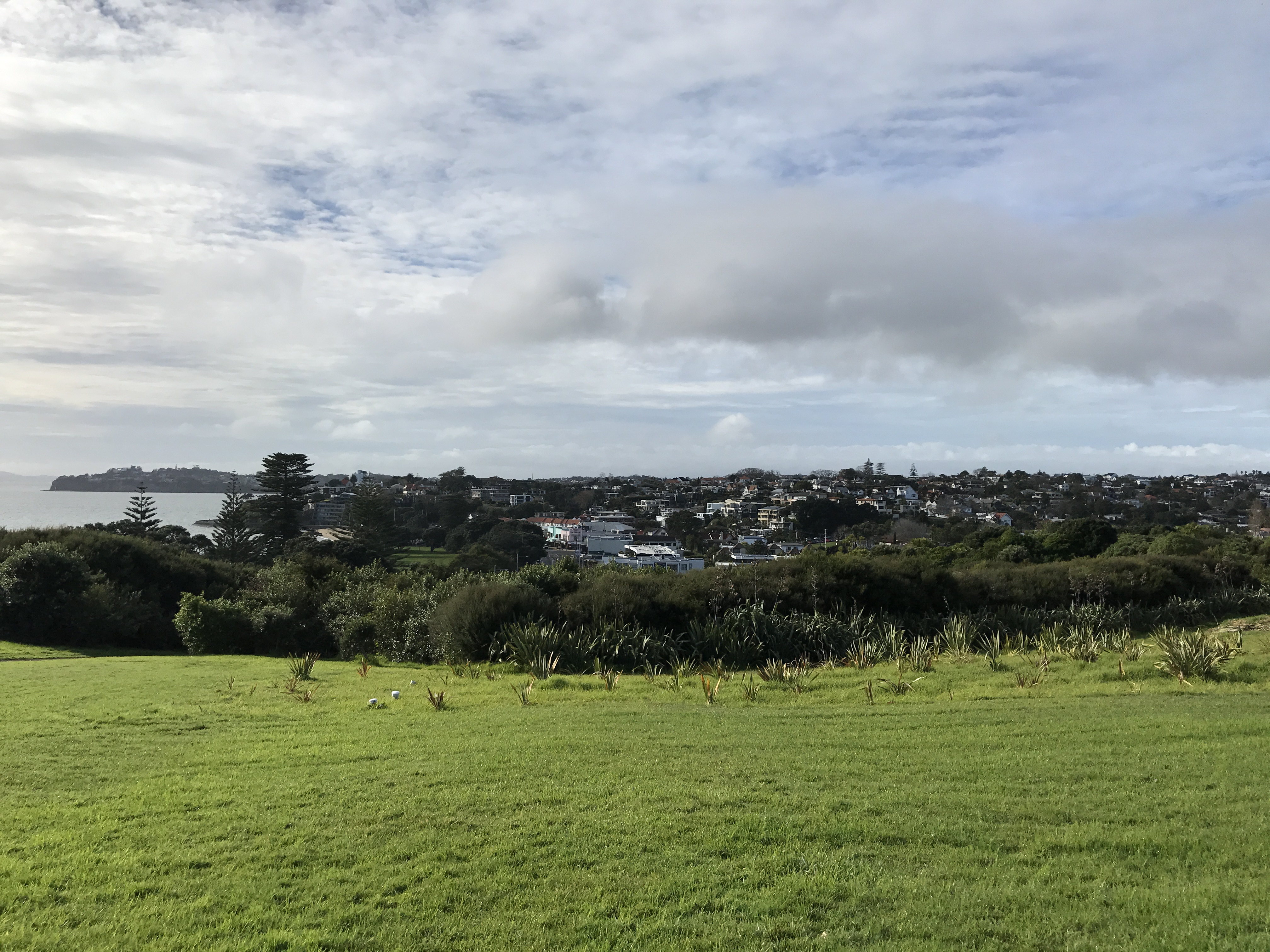
These are pictures leading to Mission Bay Beach.


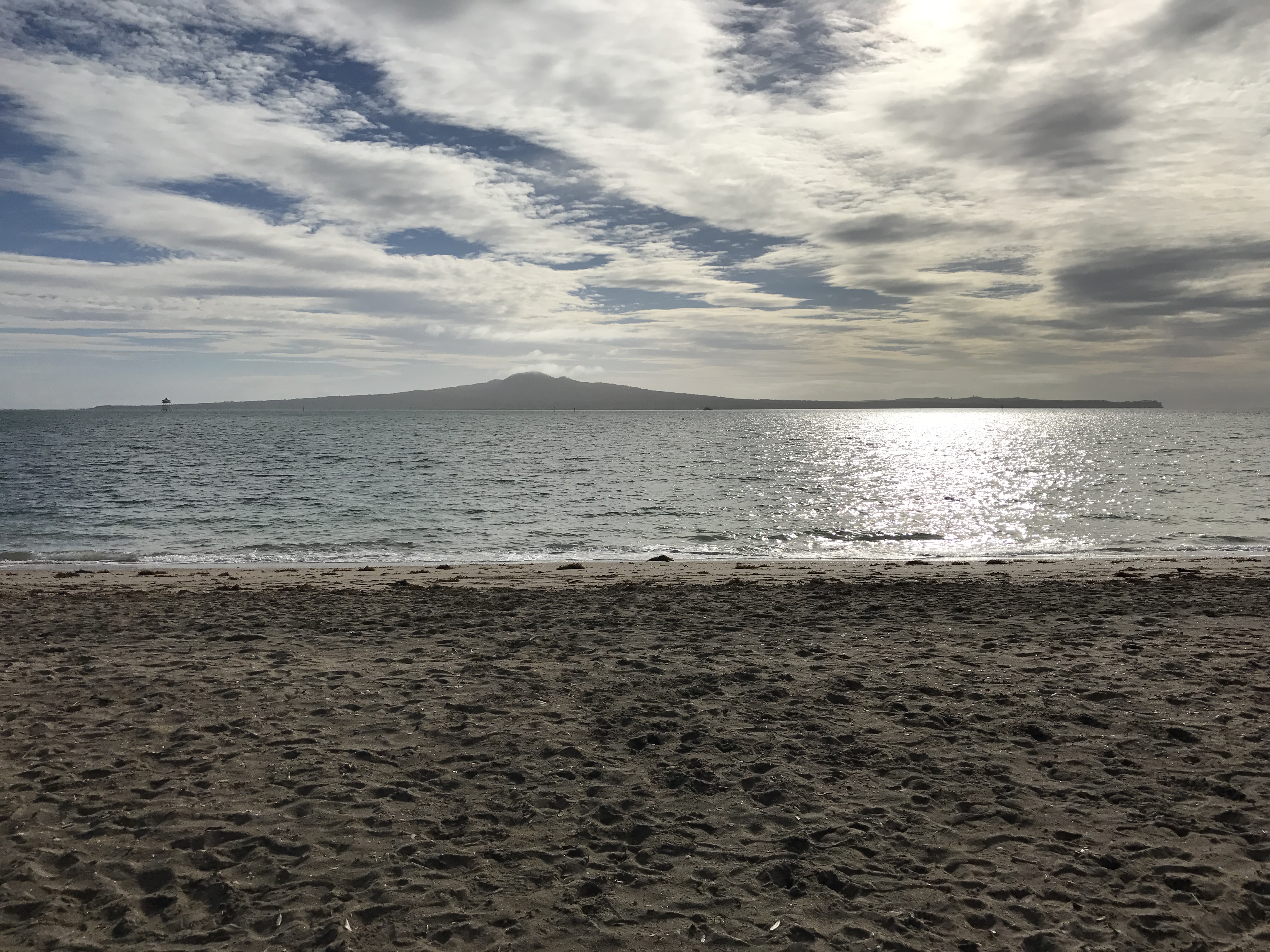
This is Mission Bay Beach.

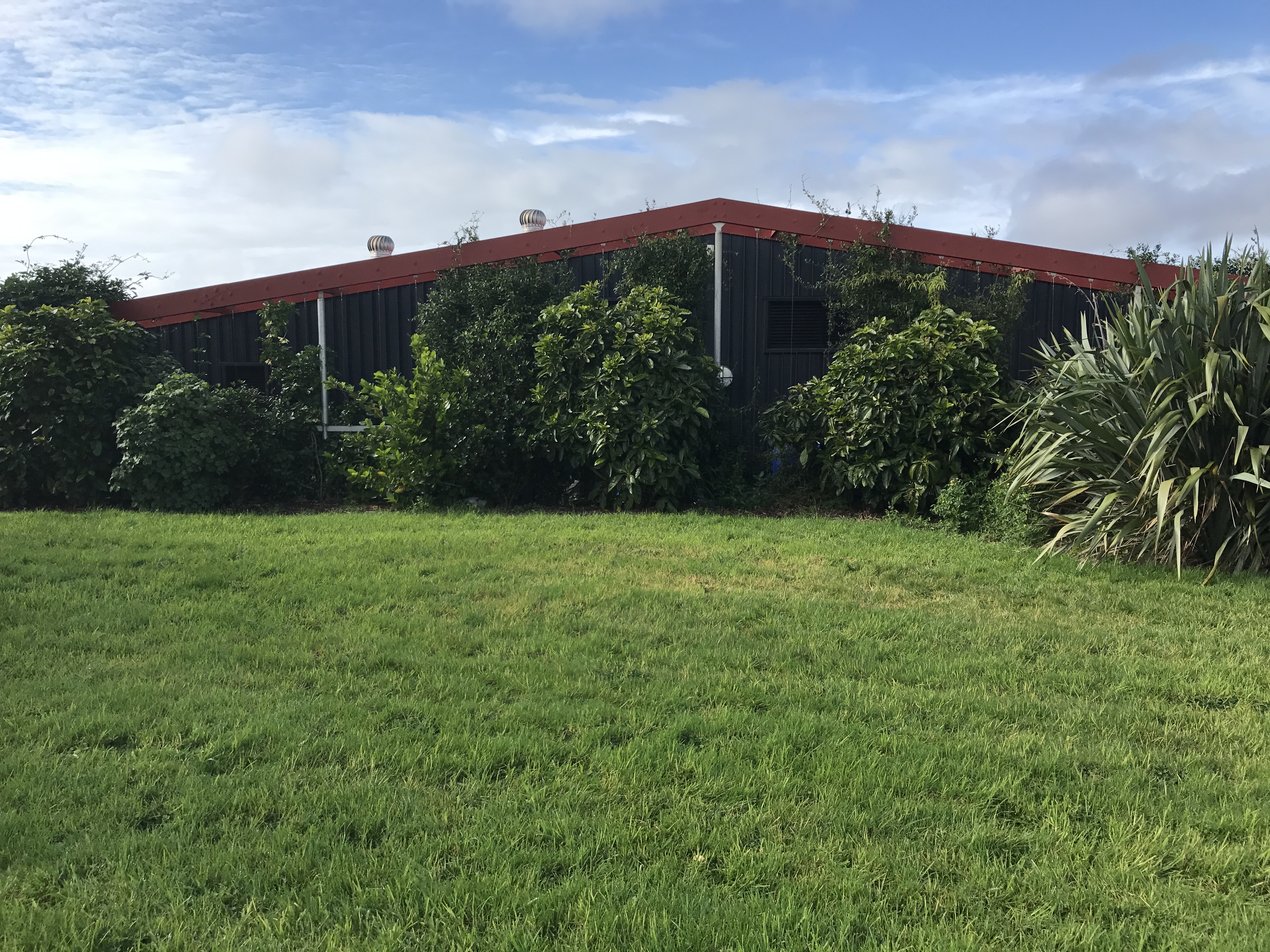
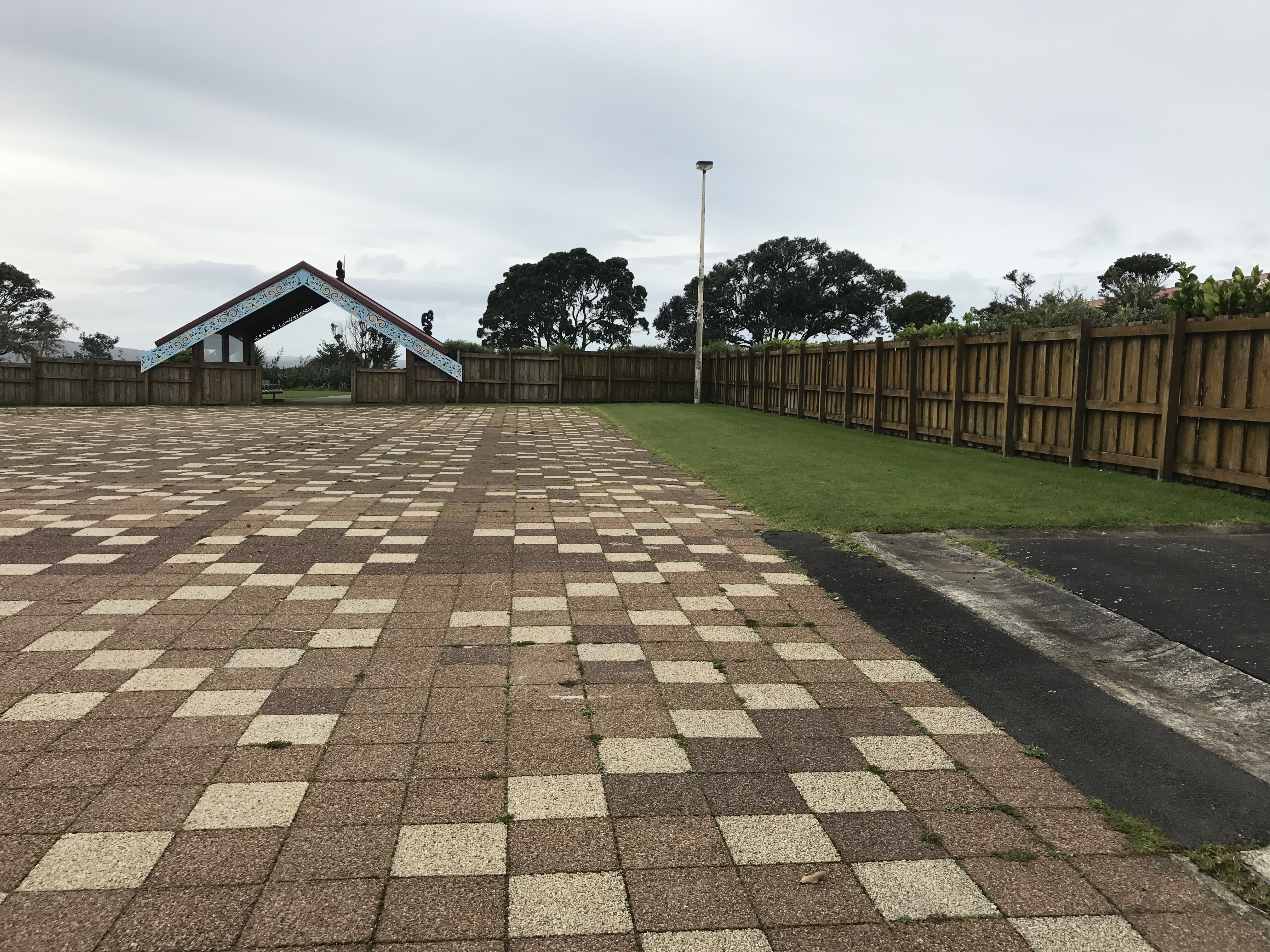
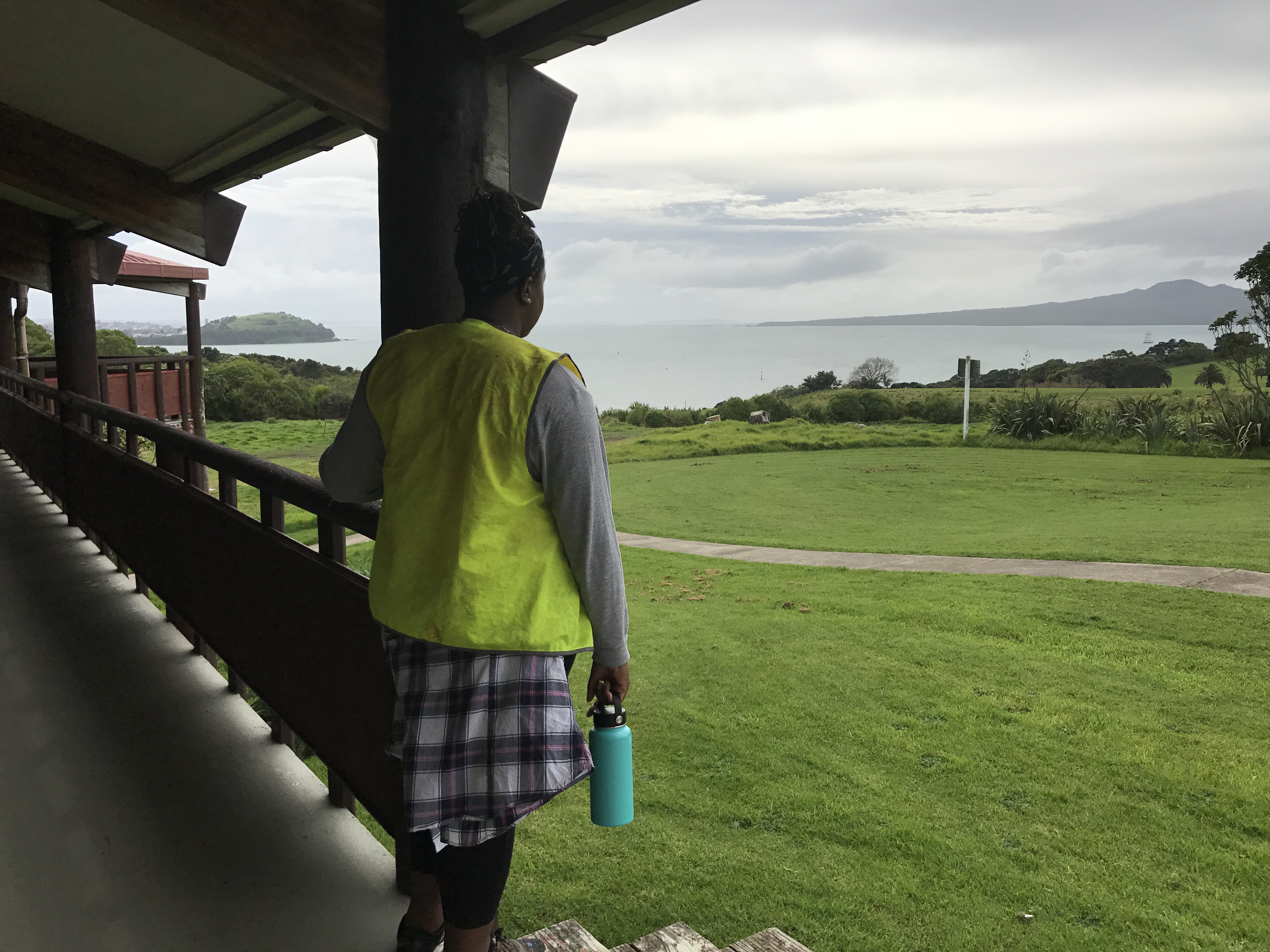
These are pictures leading up to the Marae.

These are pictures of the landscape and green wall.

These are pictures of the sacred ceremonial space, last fighting grounds, and memorial to an elder.


I will be returning to the Marae to plant trees and help in the nursery. The energy here is unbelievable, I can’t wait to return.


Till next time,

Johnnisha

My first day in Auckland

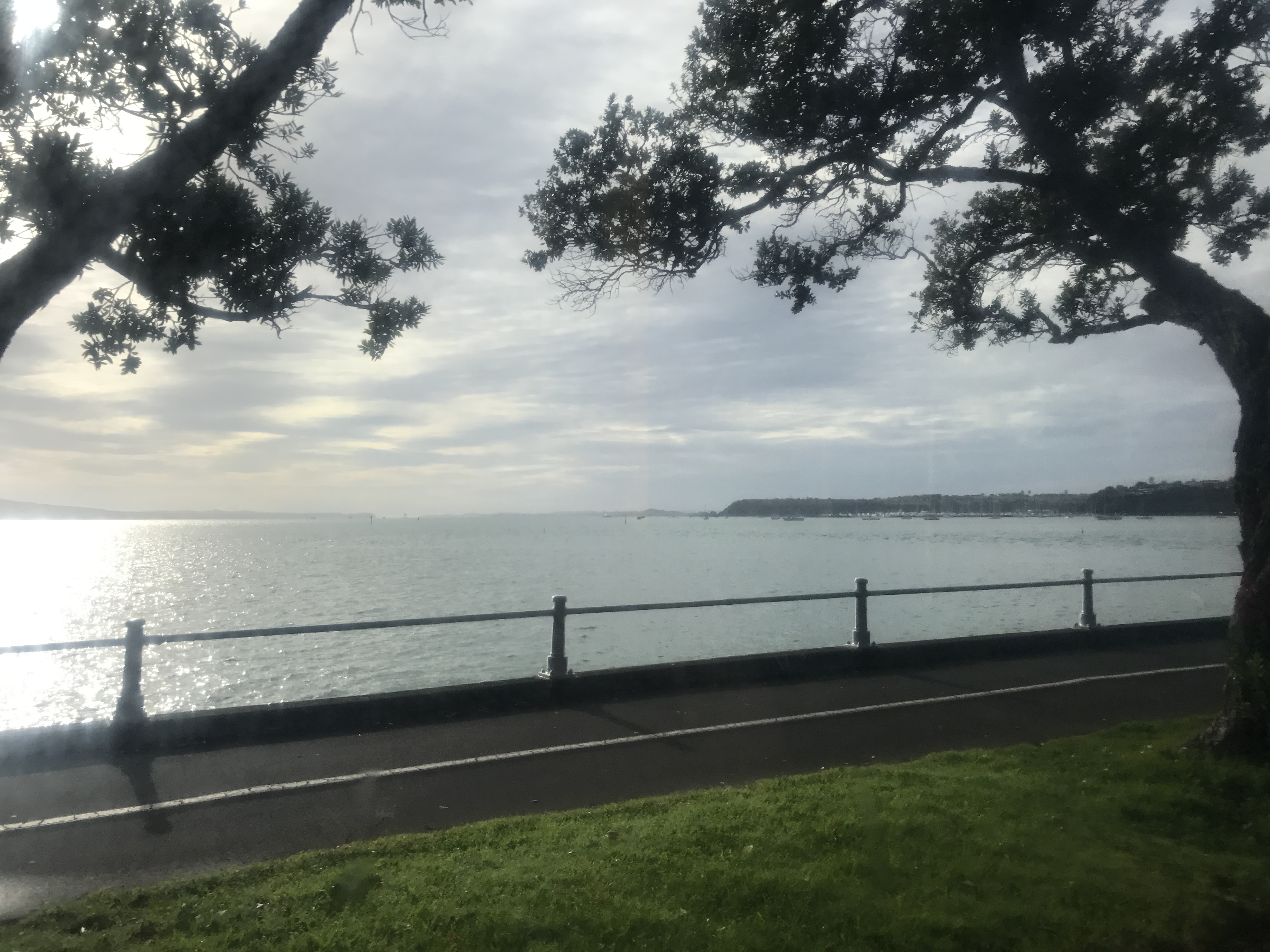
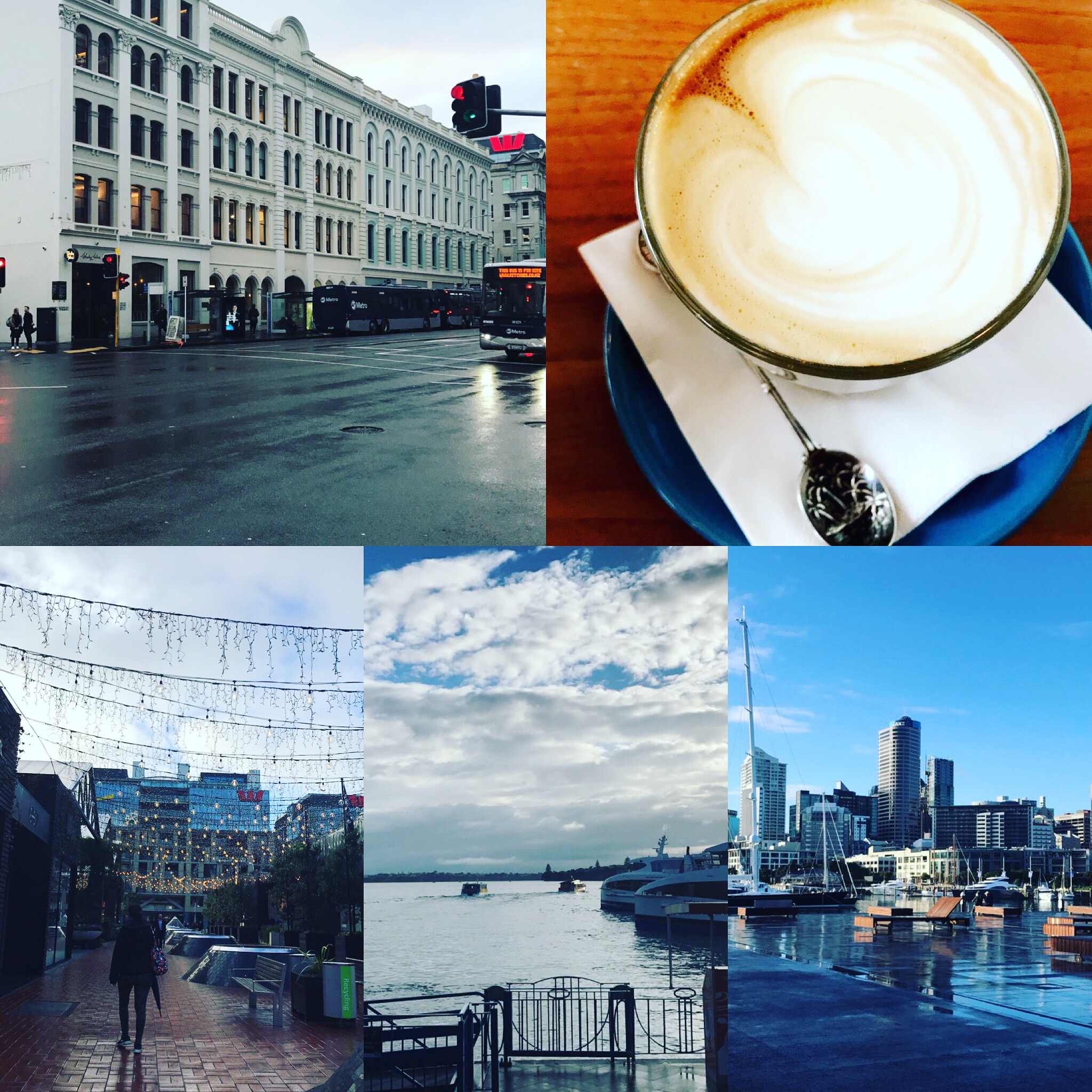
These are pictures from my morning from my walk to breakfast, latte, and one of the bays I’ll be working at this week. 

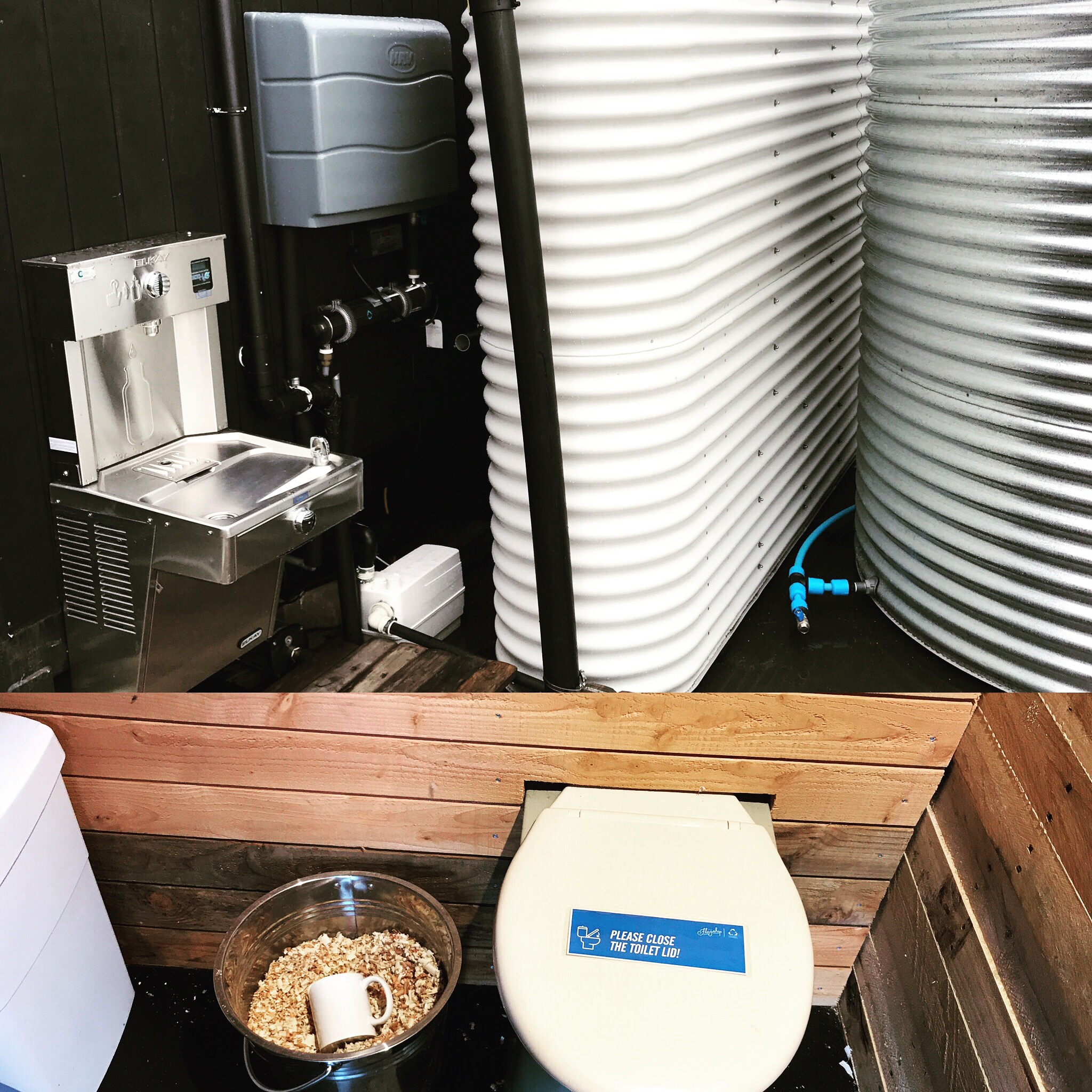
This picture is of the headquarters of sustainable coastlines. They are doing a great job at eco friendly restrooms and recycling rain water.


I’ve learned so much today about the history of New Zealand.

Kia ora  (say as 1 word key-ora) means welcome in the local Maori language.

Aotearoa – is New Zealand in the Maori language, which means land of the long white cloud.

Interesting facts about New Zealand
-950 ad Polynesian ancestors came to New Zealand.

-1769 the island was met…

-3 islands- North island, South Island and Stewart island.

-Kiwis- the name of  New Zealanders, comes from their native bird – the kiwi. It can’t fly they are endangered, indigenous to New Zealand.

-New Zealanders call the fruit Kiwi fruit. So don’t say your going to eat a kiwi, they will think your talking about their endangered bird.

-There are 9 sheep for every person in New Zealand. Roast lamb for dinner is typical.

-There are also 7 possums to every sheep.

-Wellington is the capital city.

-There are no nuclear arms. New Zealand is eco-conscience. 90% of power is renewable.

-Driving age 16
-Drinking age 18

-Two tectonic plates meet along the center of New Zealand causing a lot of earth quakes and movement, causes the unique landscape.

Tamaki makaurau -means Auckland in the Maori language – which translates to
Tamaki deserted by many lovers.

3 major harbors in Auckland shallow and fertile
– was a hub of trade
– 1.3 million
– Most ppl live in the north island
– The south is very remote

Anywho, can’t wait to get to work on the coastline. Stay tuned.

Johnnisha